What is material handler lifecycle service and why does it matter?
Material handler lifecycle service is a structured support program that covers every stage of a machine’s working life, from initial delivery and commissioning through to maintenance, upgrades, and eventual end-of-life decisions. It is designed to protect the long-term performance and profitability of hydraulic material handling equipment by replacing reactive, unplanned repairs with a proactive, planned approach. The sections below unpack the most important questions operators and fleet managers ask when evaluating a lifecycle service plan.
What does a material handler lifecycle service actually include?
A material handler lifecycle service includes everything needed to keep a machine productive from the moment it arrives on site to the point it is retired or overhauled. The core components are delivery coordination, commissioning, operator training, scheduled maintenance, spare parts supply, remote diagnostics, and upgrade or overhaul packages, all structured around the machine’s expected service life.
In practice, the scope is broader than most operators expect. At the start of a machine’s life, lifecycle service covers on-site assembly, system integration, and safety validation by field specialists. Comprehensive operator training, from e-learning modules to simulator-based programs, ensures that the equipment is used efficiently and safely from day one, which directly reduces wear and operating costs.
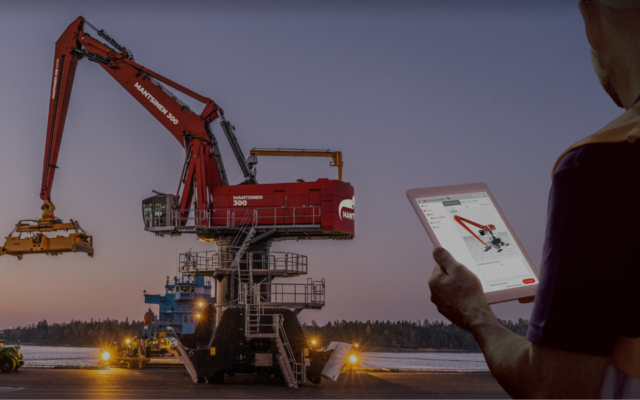
Once the machine is in operation, the material handler lifecycle support services shift to keeping it running. This means scheduled inspections, fast on-site support through a dealer network, and access to original spare parts. Remote diagnostics platforms, such as Mantsinen INSIGHT™ telematics, allow technical teams to identify and often resolve issues without requiring a site visit, which shortens resolution times and reduces unnecessary downtime.
Toward the later stages of a machine’s life, lifecycle service includes performance and safety upgrades, retrofit options, and full or partial overhaul packages. These services extend the useful working life of the equipment and delay the significant capital cost of replacement. A well-structured material handling machine service plan is not a single contract but a continuum of support that adapts as the machine ages.
How does lifecycle service reduce material handler downtime?
Lifecycle service reduces material handler downtime by replacing unplanned failures with scheduled maintenance and early fault detection. When inspections, part replacements, and system checks happen on a planned schedule, the machine is serviced during low-impact windows rather than breaking down mid-operation. Remote diagnostics add another layer by catching developing faults before they become full failures.
The mechanism is straightforward: most catastrophic failures in hydraulic material handling equipment are preceded by warning signs. Abnormal pressure readings, fluid contamination, unusual cycle times, and temperature variations all signal that a component is approaching the end of its reliable service window. Without a monitoring system, these signals go unnoticed until the machine stops. With remote telematics integrated into a lifecycle service plan, technical support teams can review machine data continuously and advise on corrective action before a breakdown occurs.
Response speed also matters. A lifecycle service agreement with a dealer network that stocks original spare parts means that when a component does need replacing, the part is available quickly. Ad hoc procurement of parts from third-party suppliers frequently introduces delays, particularly for specialized hydraulic components on large machines. Faster parts availability directly translates to fewer hours of lost production.
Operator training, often overlooked as a downtime factor, plays a significant role as well. Operators who understand the machine’s systems, load limits, and correct operating techniques cause measurably less wear on hydraulic components. Comprehensive training at commissioning, supported by refresher programs, is a practical downtime-reduction tool built into a proper hydraulic material handler maintenance program.
What are the total cost differences between lifecycle service and ad hoc repairs?
Lifecycle service consistently produces lower total costs over a machine’s working life compared to ad hoc repairs, primarily because planned maintenance prevents the expensive secondary damage that follows undetected component failures. The upfront cost of a service plan is predictable; the cost of emergency repairs, unplanned downtime, and expedited parts shipping is not.
The cost comparison between a material handler service plan and reactive maintenance comes down to three factors.
- Parts cost: Original spare parts sourced through a manufacturer’s dealer network are optimized for the machine’s specifications. Third-party alternatives may cost less upfront but often accelerate wear on connected components, creating a cascade of failures that costs significantly more to resolve.
- Labor cost: Emergency call-outs and unplanned repairs carry premium labor rates. Scheduled maintenance, performed by certified technicians during planned windows, is billed at standard rates and completed more efficiently because the scope of work is known in advance.
- Production loss: Unplanned stoppages in port terminals, wood yards, or steel processing facilities carry substantial operational costs per hour. A lifecycle service plan that reduces unplanned downtime by even a few days per year can offset the entire annual service cost in recovered production value.
Extended warranty options within a lifecycle service agreement add another financial dimension. Predictable warranty coverage beyond the standard period protects against large, unexpected repair invoices and simplifies budgeting for fleet managers. For operations where material handling equipment is a critical bottleneck, cost predictability is itself a significant financial asset.
Who should manage lifecycle service, the manufacturer or a third party?
The manufacturer, or an authorized dealer working directly with the manufacturer, should manage lifecycle service for hydraulic material handling equipment. The manufacturer has access to original technical data, machine-specific software, and genuine spare parts that third-party providers cannot replicate. This access translates directly into more accurate diagnostics, faster resolution, and maintenance that preserves the machine’s designed performance.
Third-party service providers can be cost-competitive, but they operate with important limitations. They typically rely on generic diagnostic tools rather than machine-specific telematics, and they source parts from aftermarket suppliers rather than the original manufacturer. For standard mechanical work, this gap may be manageable, but for large hydraulic material handlers with proprietary control systems and energy recovery technology, third-party service introduces meaningful technical risk.
We manage lifecycle service through a combination of factory technical support experts and a global certified dealer network. This structure means that a machine operating in a remote port still has access to technicians trained on that specific equipment, supported by factory expertise when complex issues arise. The dealer network also maintains regional spare parts inventory, which keeps response times short regardless of geography.
The practical recommendation is to evaluate any service provider on three criteria: access to original parts, certified training on the specific machine model, and the ability to connect to the manufacturer’s technical support when needed. A third party that cannot demonstrate all three should not be managing lifecycle service on a high-value hydraulic material handler.
When should a material handler be refurbished rather than replaced?
A material handler should be refurbished when the core structural and hydraulic systems remain sound and the cost of a comprehensive overhaul is substantially lower than the capital cost of a new machine. Replacement becomes the better choice when structural fatigue, obsolete control systems, or repeated major failures make continued investment in the existing machine economically irrational.
The decision is rarely straightforward, and several factors should be assessed together.
- Structural condition: A professional machine inspection and condition assessment will identify whether the boom, undercarriage, and main frame have sufficient remaining life to justify overhaul investment. If structural integrity is compromised, refurbishment cannot restore safe, reliable operation.
- Component availability: Older machines may rely on components that are no longer manufactured or are difficult to source. If critical hydraulic or electrical components are approaching obsolescence, refurbishment costs will escalate over time even after an overhaul.
- Performance gap: Modern hydraulic material handlers incorporate energy recovery systems, advanced telematics, and improved cycle efficiency that older machines cannot match. If the performance gap between the existing machine and current models is large enough to affect operational competitiveness, replacement may deliver better long-term value.
- Overhaul scope and cost: A partial overhaul that modernizes key systems, such as the control platform, hydraulic circuits, or safety systems, can restore performance and extend service life by many years at a fraction of replacement cost. Full overhaul packages tailored to the machine’s specific condition offer a structured path to continued operation.
We provide expert condition inspections and assessments for both our own machines and second-hand equipment, giving operators the factual basis they need to make this decision with confidence rather than guesswork. For machines that are viable candidates, our upgrade and life extension solutions, including retrofit options and comprehensive overhauls, are designed to restore performance and keep equipment competitive throughout its extended working life. Contact our sales team for lifecycle guidance to discuss the best path forward for your equipment.