What does commissioning a new material handler actually involve?
Commissioning a new material handler involves a structured sequence of factory checks, logistics coordination, site preparation, on-site assembly, system validation, and operator training before the machine enters productive operation. The full process typically spans several weeks from factory sign-off to the first operational shift, depending on machine size, site complexity, and the readiness of the installation location. The questions below walk through each stage in detail so you know exactly what to expect.
What happens before a material handler leaves the factory?
Before a new material handler leaves the factory, it goes through a thorough pre-delivery inspection and testing program that verifies every system is functioning correctly. This includes hydraulic pressure checks, electrical system validation, structural inspections, and a full functional test of all movements and controls. Only after the machine passes these checks is it released for delivery.
At Mantsinen, each machine delivery is optimized together with our logistics partners to minimize transportation costs and protect your operations from unnecessary downtime. That means the shipping method, route, and packaging are all planned with your timeline and site access in mind. For large hydraulic material handlers, components are often disassembled into transport-friendly sections and carefully documented for reassembly on site.
You will also receive a comprehensive documentation package at this stage, including certificates, user manuals, maintenance manuals, and access to online spare parts catalogs. Having this documentation in hand before the machine arrives allows your team to begin planning site preparation and training well in advance.
How long does commissioning a material handler take?
Commissioning a material handler typically takes between one and four weeks on site, depending on the size and complexity of the machine, the condition of the installation site, and the scope of system integrations required. Smaller machines with straightforward site conditions can be commissioned more quickly, while large hydraulic handlers like the Mantsinen 300 require more time for assembly and validation.
It is important to separate the on-site commissioning phase from the total lead time, which also includes factory production, pre-delivery testing, and transportation. When planning your project timeline, factor in all of these stages rather than counting only from the day the machine arrives at your facility.
Professional tip: Build a buffer into your commissioning schedule for unexpected site conditions, weather delays, or integration adjustments. Experienced project teams consistently identify this as one of the most common sources of timeline overruns, and a two- to three-day contingency window is rarely wasted.
What site preparations are required before installation?
Before a new material handler can be installed, the site must have adequate ground bearing capacity, clear access routes for heavy transport vehicles, and the necessary power supply infrastructure in place. Electrical connection points, drainage, and any required civil works such as foundations or rail systems should be completed before the machine arrives.
The specific requirements vary depending on whether the machine will be stationary or mobile, electrically powered or diesel-driven, and whether it integrates with existing terminal management or weighing systems. Your machine supplier should provide a detailed site requirements document well ahead of the delivery date so that civil and electrical contractors have enough lead time to complete their work.
Professional tip: Walk through the site requirements document with your local contractor and your machine supplier at the same time. Misinterpretations between these two parties are a common cause of delays, and a single joint review call can prevent weeks of rework.
Who is involved in the commissioning process?
Commissioning a material handler involves collaboration between the manufacturer’s field specialists, certified local dealers or agents, the customer’s site management team, and often third-party contractors responsible for civil works, electrical connections, or system integrations. Each party has a defined role, and clear coordination between them is essential for a smooth start-up.
Our field specialists work together with certified dealers to manage on-site assembly, commissioning, and system integration. This partnership model means you benefit from both the deep technical knowledge of the manufacturer and the local presence and language capability of the dealer. Your site team’s role during this phase is primarily to provide safe access, coordinate with any third-party contractors, and ensure that the right personnel are available for handover and training.
Professional tip: Designate a single point of contact on your side for the commissioning team. Having one person responsible for coordinating site access, answering questions, and escalating decisions dramatically reduces friction and keeps the process moving.
What does the on-site commissioning phase actually include?
The on-site commissioning phase for a new material handler includes mechanical assembly, hydraulic and electrical connections, software configuration, safety system validation, and a series of load and functional tests that confirm the machine is performing to specification. The machine is not considered commissioned until all of these steps have been completed and signed off.
Assembly and system integration
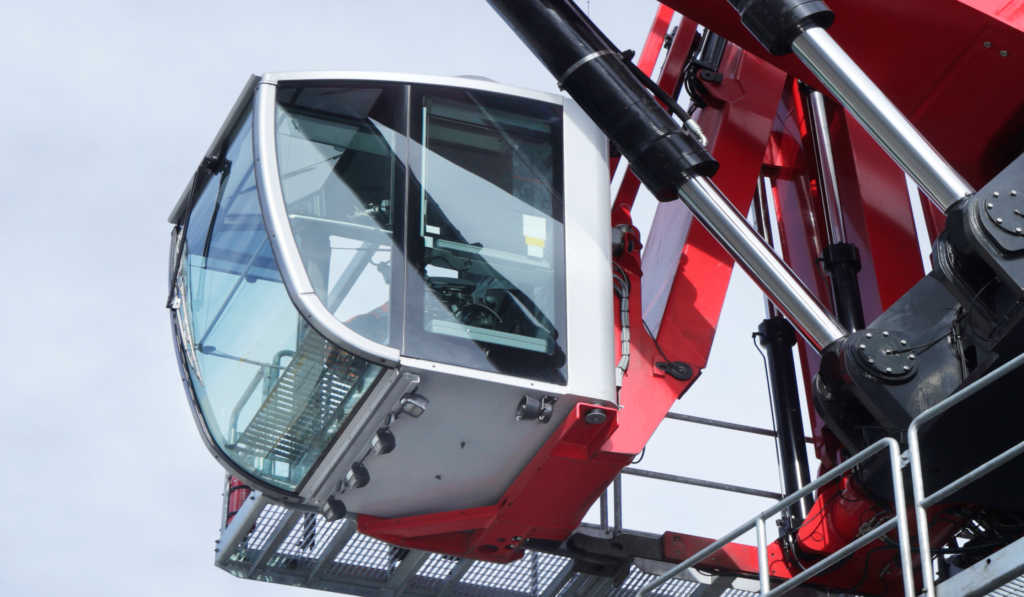
For large hydraulic material handlers, on-site assembly involves reconnecting major structural components such as the boom, cab, and counterweight that were separated for transport. Hydraulic lines, electrical harnesses, and communication systems are then connected and tested. If the machine integrates with terminal management software, weighing systems, or remote monitoring platforms, these connections are configured and verified during this phase as well.
Validation and safety sign-off
Once assembly and integration are complete, the machine goes through a structured validation process that checks every function against the manufacturer’s specifications. This includes testing all safety interlocks, emergency stop systems, and load-handling limits. The machine must be fully validated and confirmed safe before it is handed over for operational use. Our field specialists ensure this validation is thorough and documented, so you have a clear record of the machine’s condition at the point of handover.
What training and documentation come with a commissioned machine?
A commissioned material handler comes with comprehensive operator training and a full documentation package covering operation, maintenance, safety, and spare parts. Training is designed to ensure operators can work safely and efficiently from the very first shift, and documentation supports your maintenance team throughout the machine’s entire service life.
We offer training in multiple formats to match different learning styles and operational contexts. These include eLearning modules that operators can complete before the machine arrives, on-site practical training delivered by our specialists during commissioning, and advanced simulator training for complex or high-throughput applications. The goal is not just a safe start-up but a genuinely efficient one, where operators understand how to get the best performance from the machine while keeping operating costs low.
Beyond the initial commissioning period, our lifecycle services and spare parts support keep your machine running at its best over the long term. Original Mantsinen spare parts, scheduled maintenance programs, machine inspections, and remote diagnostics through Mantsinen INSIGHT telematics all contribute to maximizing machine availability and protecting your investment. Extended warranty options are also available to provide predictable costs and peace of mind well beyond the standard warranty period.
Professional tip: Use the commissioning period as an opportunity to have your maintenance team shadow the field specialists. The hands-on knowledge your technicians gain during assembly and validation is difficult to replicate from a manual alone, and it pays dividends when the first routine service comes around.