How do you reduce downtime in a scrap metal recycling operation?
You reduce downtime in a scrap metal recycling operation by combining preventive maintenance, smart machine selection, well-trained operators, and the right attachments for the job. The biggest gains come from addressing equipment stress before it causes failure, not after. Below, we unpack the key questions every scrap yard manager should be asking to keep operations running at full capacity.
What causes the most downtime in scrap metal recycling operations?
The most common causes of downtime in scrap metal recycling are unplanned equipment breakdowns, hydraulic system failures, and using machines that are not built to handle the demands of heavy scrap. Scrap handling puts extreme stress on material handling equipment, and machines that are not rated for that punishment wear out faster, break down more often, and cost more to keep running.
Beyond mechanical failure, operational bottlenecks also drive downtime. Poor yard layout, mismatched equipment capacity, and inadequate attachment selection all slow cycle times and create chokepoints in the material flow. When a single machine handles loading, sorting, and feeding a shredder, any interruption ripples through the entire operation.
The environment itself is a major factor. Scrap yards deal with sharp, irregular loads, unpredictable weights, and constant shock loading on booms and hydraulics. Machines not designed for this classification of work accumulate damage quickly. As one real-world example illustrates, Riwald Recycling in Beverwijk experienced exactly this problem when an older machine from another brand stalled operations before they switched to equipment purpose-built for scrap handling.
How does preventive maintenance reduce equipment downtime?
Preventive maintenance reduces downtime in scrap metal recycling by catching wear, leaks, and component fatigue before they cause a breakdown during a production shift. Scheduled inspections of hydraulic lines, filters, pins, bushings, and structural welds allow teams to replace parts during planned windows rather than scrambling during an unplanned stoppage.
A consistent maintenance schedule also extends the overall service life of material handling equipment. Hydraulic systems in particular benefit from regular fluid analysis and filter changes, since contaminated fluid accelerates pump and valve wear. In a high-cycle scrap handling environment, a machine may complete thousands of grab-and-release cycles per day, and each cycle adds cumulative stress to every moving component.
Ease of access matters here too. Equipment designed with maintenance in mind, such as walkways around the machine pylon and well-positioned service points, allows technicians to perform routine checks faster and more safely. Riwald Recycling’s operator Jack Bellers noted that the walkway around the pylon on their Mantsinen 140 made independent maintenance work significantly easier, reducing the time and effort required to keep the machine in peak condition.
What role does machine selection play in minimizing downtime?
Machine selection is one of the most important decisions for minimizing downtime in scrap yard operations. A hydraulic material handler built to the highest machine design classification will withstand the shock loads, abrasive conditions, and continuous duty cycles that scrap handling demands, while a machine designed for lighter work will fail prematurely under those same conditions.
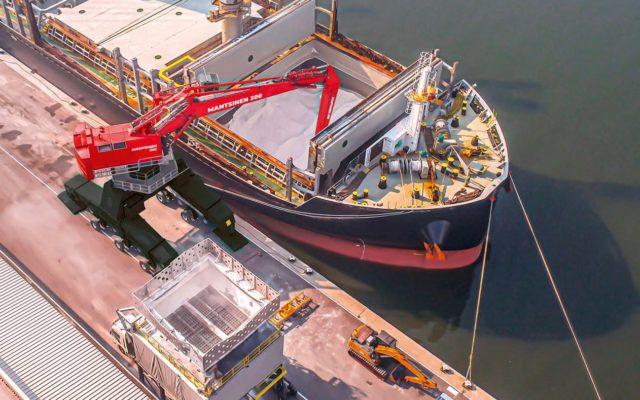
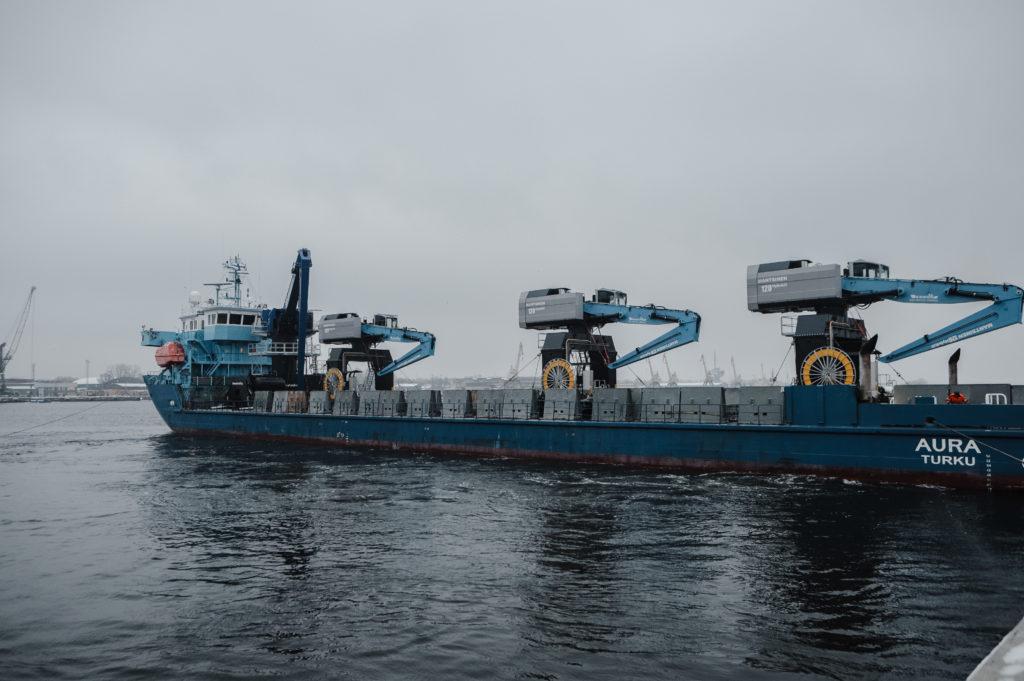
Choosing the right machine also means matching capacity to the job. Undersized equipment works harder than it should, accelerating wear. Oversized equipment may be inefficient and costly to operate. At Amsterdam Scrap Terminal, two Mantsinen 300 machines were selected specifically because each unit can lift 10 metric tons of scrap per cycle, making the loading and unloading of 50,000-metric-ton ship cargoes fast enough that vessels do not sit idle at the dock waiting for the process to finish.
Mobility and configuration also affect uptime. A machine mounted on rubber tires with multiple steering axles, like the Mantsinen 140 at Riwald Recycling Beverwijk, can reposition quickly across a yard without the delays associated with tracked equipment. Robert Koster, the site manager at Riwald Beverwijk, reported that cycle times improved by 20 to 30 percent after switching to the Mantsinen 140, a direct result of better machine fit for the operation.
How does operator training affect uptime in scrap handling?
Operator training directly affects uptime because skilled operators recognize early warning signs of mechanical stress, handle loads more efficiently, and avoid the kind of misuse that accelerates component wear. In scrap handling, where loads are irregular and conditions change constantly, an experienced operator makes dozens of micro-decisions per cycle that either protect the machine or put it at risk.
Good training also shortens the ramp-up period when new equipment arrives. The faster an operator becomes proficient, the sooner the machine reaches its productive potential. At Riwald Recycling, Jack Bellers was operational within two days of instruction, and his 30 years of experience meant he adapted quickly. But even without that experience level, a machine designed for intuitive operation reduces the learning curve for newer operators.
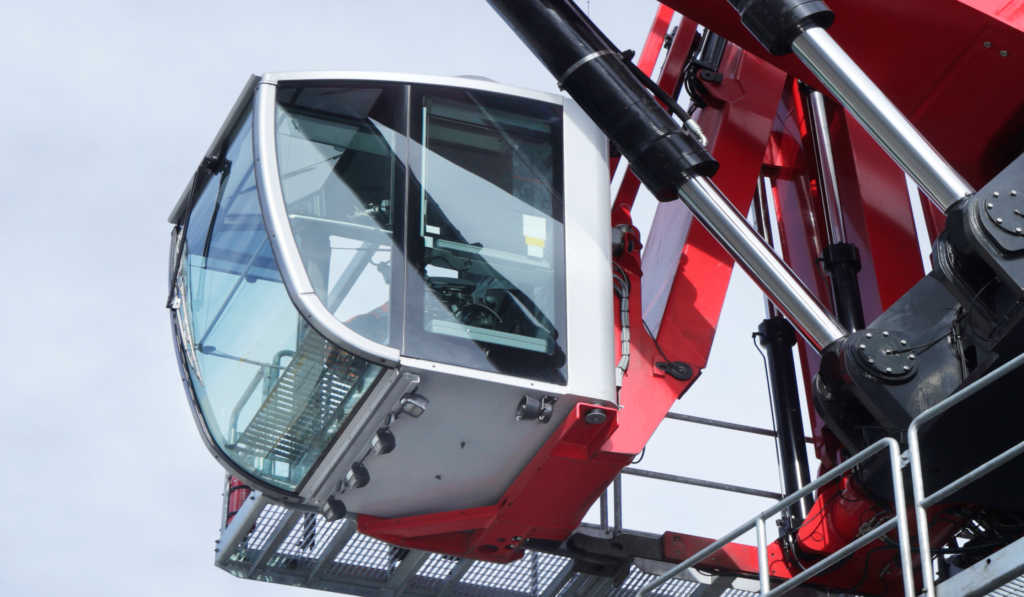
Operator comfort plays a supporting role as well. Fatigue increases errors and reduces the attention needed to catch early signs of trouble. High-visibility cabins, integrated camera systems, and ergonomic controls allow operators to work safely and attentively throughout long shifts, which keeps both the operator and the machine performing at their best.
What attachment and tooling choices help keep scrap operations running?
The right attachments keep scrap operations running by matching the tool to the material, reducing cycle times, and avoiding the mechanical strain that comes from forcing an unsuitable attachment to do a job it was not designed for. For most scrap yards, a combination of grapples, magnets, and shear attachments covers the full range of material types and tasks.
Grapples are the workhorse of most scrap handling operations, suited for loose scrap, baled material, and mixed loads. Magnets add efficiency when handling ferrous scrap, allowing rapid separation and loading without manual sorting. Shear attachments are valuable for processing large structural pieces before they can be loaded or fed into a shredder.
Versatility matters as much as specialization. An attachment that can handle multiple material types reduces the need to swap tools mid-shift, which saves time and reduces wear on the quick-coupler system. Bellers at Riwald described the Mantsinen 140 as both a strong bulk machine and a tool precise enough for more delicate sorting tasks, including sifting incinerated waste, which reflects exactly the kind of versatile performance that keeps a yard running without interruption.
When should a scrap yard consider upgrading its material handling equipment?
A scrap yard should consider upgrading its material handling equipment when maintenance costs are rising faster than production output, when cycle times are too long to meet demand, or when the current machine is causing unplanned stoppages that disrupt the flow of the operation. Aging equipment that requires frequent repairs often costs more to keep running than a newer, more capable machine would cost in ownership and fuel.
Other clear signals include a mismatch between machine capacity and the volumes the yard needs to process. If demand has grown but the equipment has not kept pace, the yard is leaving productivity on the table. Riwald Recycling faced this situation when a peak in demand exposed the limitations of older equipment, eventually leading to a machine that stalled operations entirely before they made the switch to a purpose-built hydraulic material handler.
Energy efficiency is an increasingly important factor in the upgrade decision as well. Modern systems like our Mantsinen HybriLift® energy recovery technology can reduce fuel consumption by up to 50 percent by capturing and reusing the energy generated during boom movement. Over the course of a full operating year, that kind of saving changes the economics of equipment ownership significantly, making an upgrade not just a reliability decision but a sound financial decision for recycling operations serious about long-term performance.