How does remote diagnostics reduce material handler downtime?
Remote diagnostics reduce material handler downtime by enabling real-time fault detection and remote troubleshooting before a minor issue escalates into a full machine stoppage. Instead of waiting for a breakdown to occur and then dispatching a technician, remote diagnostics systems continuously monitor machine health and alert service teams the moment something deviates from normal operating parameters. The sections below unpack exactly how this works across the most common questions operators and fleet managers ask.
What types of faults can remote diagnostics detect in material handlers?
Remote diagnostics can detect a wide range of faults in hydraulic material handlers, including hydraulic pressure anomalies, engine temperature deviations, electrical system errors, sensor malfunctions, and abnormal load cycle patterns. Because the system reads live data streams from multiple machine subsystems simultaneously, it catches both sudden failures and gradual performance degradation that would otherwise go unnoticed until a breakdown occurs.
In practice, this means remote monitoring can flag issues such as a hydraulic pump losing efficiency before it fails completely, a cooling system running hotter than its normal operating range, or a boom cylinder showing irregular movement that suggests seal wear. For large hydraulic material handlers working in demanding port or timber terminal environments, catching these faults early is the difference between a scheduled service visit and an unplanned multi-day stoppage.
Electrical faults are particularly valuable to detect remotely. Control system error codes, communication failures between machine modules, and battery or power management irregularities can all be identified and logged without anyone physically being on-site. This gives service teams a clear picture of the problem before they even pick up the phone.
How does real-time monitoring prevent unplanned machine stoppages?
Real-time monitoring prevents unplanned machine stoppages by creating a continuous feedback loop between the machine and the service team. Rather than relying on an operator to notice and report a problem, the system generates automatic alerts the moment a parameter moves outside its acceptable range, giving technicians time to intervene before the fault becomes critical.
The key mechanism is threshold-based alerting. Each monitored parameter, whether hydraulic oil temperature, engine load, or cycle count, has a defined normal operating range. When a reading approaches or crosses that threshold, the system triggers a notification. This allows a service team to schedule a targeted inspection or order a replacement part before the machine stops working entirely.
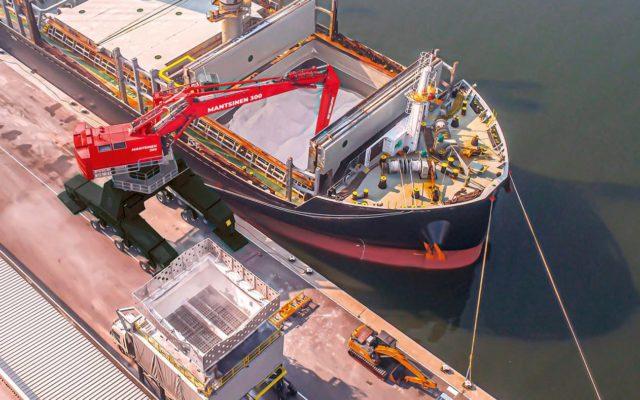
For operations running material handlers around the clock, such as port terminals or steel mill yards, even a few hours of unplanned downtime can disrupt an entire logistics chain. Real-time monitoring shifts the maintenance model from reactive to proactive, meaning the machine keeps working while the fix is being prepared rather than sitting idle while the problem is being diagnosed.
What’s the difference between remote diagnostics and predictive maintenance?
Remote diagnostics is the process of identifying and analyzing faults or anomalies in a machine using data transmitted from the machine to a remote service team. Predictive maintenance is a broader maintenance strategy that uses historical data, trend analysis, and machine learning to forecast when a component is likely to fail. Remote diagnostics is a tool; predictive maintenance is a strategy that often relies on remote diagnostics as its primary data source.
Think of it this way: remote diagnostics tells you what is happening right now in your hydraulic material handler. Predictive maintenance uses patterns from what has been happening over weeks or months to tell you what is likely to happen next. Both reduce machine downtime, but they operate on different time horizons.
In a well-designed lifecycle service program, the two work together. Remote diagnostics captures live fault data and error codes, while predictive maintenance algorithms analyze that data over time to identify wear trends, recurring fault patterns, and component life cycles. The result is a maintenance schedule driven by actual machine condition rather than fixed calendar intervals, which reduces both unnecessary maintenance costs and the risk of unexpected failures. To explore material handler maintenance and support services, you can review the full range of available options.
How quickly can a technician resolve issues using remote diagnostics?
With remote diagnostics, many software-related faults, parameter misconfigurations, and control system errors can be resolved within minutes to a few hours without any on-site visit. For hardware faults that require physical intervention, remote diagnostics dramatically shortens resolution time by allowing the technician to arrive on-site with an accurate diagnosis and the correct parts already in hand.
The traditional breakdown scenario involves multiple steps that all add time: an operator reports a fault, a service coordinator logs the call, a technician travels to the site, diagnoses the problem, and then potentially has to leave again to source the right part. Remote diagnostics collapses the first two steps into one automatic process and eliminates the diagnostic guesswork on arrival.
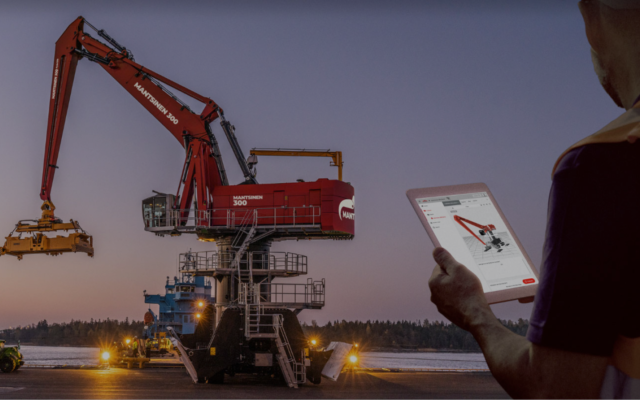
We power our remote services through Mantsinen INSIGHT™ telematics, which is designed specifically to identify potential issues promptly and support remote resolution. Many issues can be resolved entirely remotely, which reduces the need for on-site visits, speeds up resolution time, and lowers the environmental impact of unnecessary service travel.
Which material handler operations benefit most from remote diagnostics?
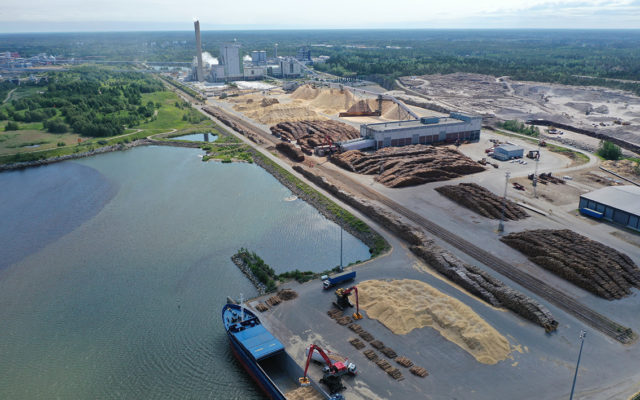
Operations that benefit most from remote diagnostics are those where machine downtime carries the highest operational and financial cost: port terminals handling bulk cargo or containers, timber and paper mill yards with continuous log handling demands, and steel industry facilities where material flow is tied directly to production output. The more critical the machine’s role in the logistics chain, the greater the value of remote monitoring.
High-utilization environments are a natural fit because machines running long shifts accumulate operating hours quickly, which accelerates component wear and increases the frequency of potential faults. Remote diagnostics allows service intervals to be optimized around actual machine condition rather than conservative fixed schedules, keeping availability high without over-servicing.
Remote locations also benefit significantly. A material handler operating at a remote port or a timber terminal far from a major service center faces longer technician travel times when something goes wrong. Remote diagnostics reduces the dependency on physical proximity by resolving issues remotely or, at minimum, ensuring that when a technician does travel, the visit is efficient and conclusive. To discuss your specific operational requirements, you can contact the Mantsinen sales team directly.
What data does a remote diagnostics system collect from a material handler?
A remote diagnostics system collects data across the key operating systems of a hydraulic material handler, including engine performance metrics, hydraulic system pressures and temperatures, electrical system status, active fault codes, GPS location, fuel consumption, and machine utilization data such as operating hours, load cycles, and idle time. This data is transmitted continuously or at defined intervals to a remote monitoring platform.
Engine data typically includes RPM, coolant temperature, oil pressure, and exhaust parameters. Hydraulic system data covers pump output, cylinder pressures, and oil temperature across different circuits. Electrical data captures control system status, sensor readings, and any active error codes generated by the machine’s onboard electronics.
Utilization data is particularly valuable for fleet management and lifecycle planning. Knowing exactly how many hours a machine has operated, how many load cycles it has completed, and what its average fuel consumption looks like gives both operators and service teams the information they need to plan maintenance accurately and make informed decisions about upgrades or overhauls.
Professional tip: To get the most from a remote diagnostics system, ensure your operators are trained to understand basic alert notifications and know the correct escalation process when an alert appears. Remote diagnostics is most effective when it connects a well-informed operator on-site with a knowledgeable service team off-site. Our lifecycle services include comprehensive operator training, from eLearning modules to on-site programs and advanced simulators, so your team is equipped to work alongside the technology rather than around it. Combined with original spare parts availability through our global dealer network and scheduled maintenance support, remote diagnostics becomes part of a complete approach to protecting your machine’s long-term performance and your operation’s profitability.