Why is operator training critical to material handler performance?
Operator training is critical to material handler performance because it directly determines how efficiently, safely, and cost-effectively a machine operates in real-world conditions. Even the most advanced hydraulic material handler will underperform in the hands of an untrained operator. The sections below break down the specific ways training shapes output, maintenance costs, safety outcomes, and long-term machine value.
How does operator skill directly affect material handler output?
Operator skill affects material handler output by determining cycle times, load accuracy, fuel consumption, and overall throughput. A skilled operator can maximize a machine’s rated capacity, execute smooth boom movements, and minimize idle time between cycles. An undertrained operator, by contrast, tends to work in bursts, misjudge loads, and leave significant productive capacity unused.
Hydraulic material handlers are precision machines. Their performance depends not just on engine power or lifting capacity, but on how fluidly an operator coordinates boom, arm, and attachment movements. Experienced operators develop a feel for the machine’s response curve, allowing them to carry heavier loads more safely, position materials more accurately, and complete handling cycles faster. In high-throughput port and terminal environments, even a 10 to 15 percent improvement in cycle efficiency compounds significantly across a shift.
Operator skill also affects fuel and energy efficiency. Smooth, coordinated inputs use the hydraulic system more effectively, while jerky or overcorrected movements create pressure spikes that waste energy. For machines equipped with systems like our Mantsinen Hybrilift® energy recovery technology, a skilled operator who understands boom dynamics will recover more energy per cycle, amplifying the system’s designed efficiency gains.
What are the most common operator errors that reduce machine efficiency?
The most common operator errors that reduce material handler efficiency include over-revving the engine during light loads, using excessive hydraulic pressure for routine movements, poor load estimation, and failing to use energy recovery features correctly. These habits are rarely deliberate but become ingrained without structured training and feedback.
Other frequent errors include:
- Incorrect attachment use, using the wrong attachment for a material type increases cycle time and risks damage to both the attachment and the load
- Poor swing positioning, inefficient slewing paths add unnecessary seconds to every cycle, reducing hourly output
- Improper warm-up and cool-down procedures, skipping these steps stresses hydraulic components and shortens service intervals
- Overloading, exceeding rated lift capacities accelerates structural wear and creates safety risks
- Idle running, leaving the machine at high idle when not actively handling material wastes fuel and adds unnecessary engine hours
Most of these errors are correctable through structured training. The challenge is that operators who have developed poor habits often do not recognize them without an external reference point, which is why both initial training and periodic performance reviews matter.
How does proper training reduce wear and maintenance costs?
Proper operator training reduces wear and maintenance costs by eliminating the mechanical stress caused by poor operating habits. Smooth, controlled inputs place predictable loads on hydraulic components, structural joints, and the undercarriage. Rough, reactive operation creates shock loads that accelerate wear on pins, bushings, cylinders, and slewing rings.
The connection between operator behavior and maintenance frequency is well established in heavy equipment industries. Machines operated by trained crews typically require less frequent unscheduled maintenance, experience fewer hydraulic seal failures, and have longer intervals between major component replacements. Over a machine’s operational lifetime, this difference in maintenance burden can represent a substantial cost advantage.
Trained operators also play an active role in early fault detection. When operators understand how a machine should sound, respond, and perform, they notice deviations earlier. Catching a developing hydraulic leak, an unusual vibration, or a sluggish response before it becomes a breakdown avoids costly unplanned downtime. This is particularly valuable in port and terminal operations where machine availability is directly tied to throughput commitments.
What should a material handler operator training program include?
A material handler operator training program should include machine familiarization, safe operating procedures, load handling techniques, energy efficiency practices, daily inspection routines, and emergency response protocols. The most effective programs combine theoretical instruction with hands-on practice in real or simulated operating conditions.
A well-structured program typically covers:
- Machine systems overview, understanding the hydraulic system, boom geometry, attachment interface, and onboard controls
- Pre-shift inspection, identifying fluid levels, wear indicators, and safety system status before starting operations
- Operating techniques, smooth load handling, efficient slewing, correct attachment selection, and energy recovery use
- Load capacity and stability, reading load charts, understanding reach-to-capacity relationships, and recognizing overload risk
- Emergency procedures, safe shutdown, fire response, and evacuation protocols
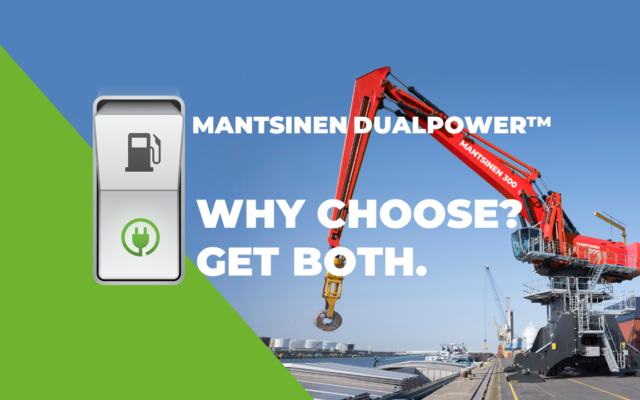
- Machine-specific features, understanding and correctly using any advanced systems such as dual-power configurations or telematics interfaces
We offer comprehensive operator training as part of our lifecycle services and support programs, covering everything from eLearning modules to on-site instruction and advanced simulator sessions. Our field specialists and certified dealers manage on-site commissioning and training together, ensuring operators are fully prepared before the machine enters production. This integrated approach means operators are not just trained on generic procedures but on the specific machine they will operate daily.
How does operator training affect safety outcomes in port and terminal operations?
Operator training directly reduces the frequency and severity of safety incidents in port and terminal operations. Trained operators understand load limits, safe swing zones, pedestrian exclusion areas, and emergency procedures. Untrained or undertrained operators are significantly more likely to be involved in tip-over incidents, load drops, collision events, and near misses.
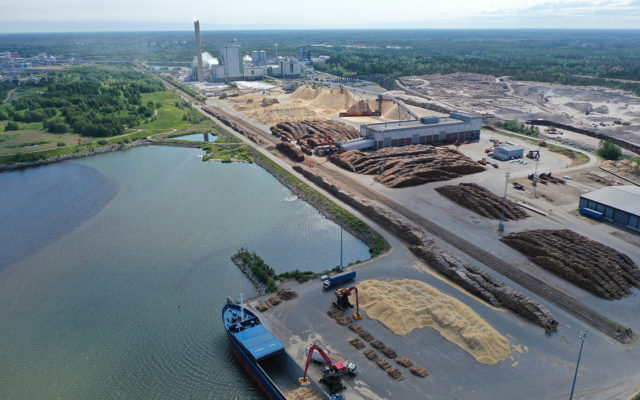
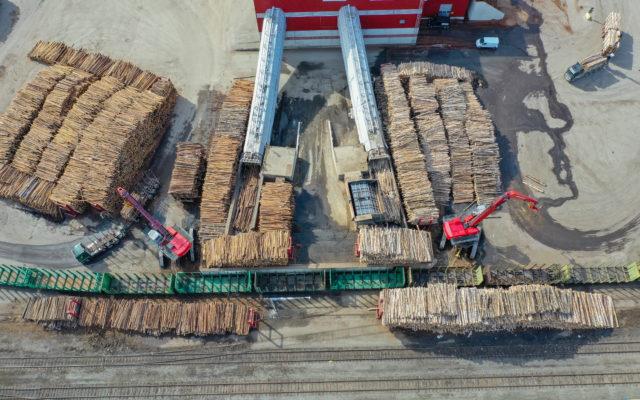
Port and terminal environments are particularly demanding from a safety perspective. Operators work alongside other heavy equipment, in close proximity to vessels, railcars, and ground-level personnel, often under time pressure. A hydraulic material handler operating in these conditions requires an operator who can make accurate spatial judgments, respond quickly to changing site conditions, and communicate effectively with ground crews.
Training also builds familiarity with the machine’s specific safety systems, including load moment indicators, camera systems, and emergency stop functions. An operator who understands why these systems exist and how they work is far more likely to use them correctly and to recognize when they are signaling a genuine risk rather than dismissing alerts as routine interruptions.
When should operators receive refresher training on material handling equipment?
Operators should receive refresher training whenever they transition to a new machine model, when significant software or control system updates are introduced, after any serious incident or near miss, and on a scheduled basis at least every one to two years. Refresher training is not a sign of underperformance but a recognized best practice in professional equipment operation.
Several specific triggers should prompt refresher sessions:
- Transitioning from one machine size or configuration to another, even within the same product family
- Introduction of new attachments or working methods not covered in initial training
- Changes in site layout, operational procedures, or regulatory requirements
- Extended absence from operating a particular machine type
- Performance data indicating declining efficiency or increasing minor incident frequency
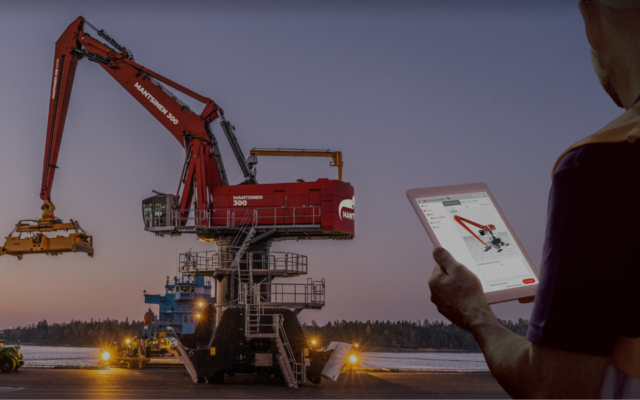
Remote monitoring tools such as our Mantsinen INSIGHT™ telematics system can support this process by providing objective data on operating patterns, fuel use, and system alerts. When this data shows a drift from optimal operating behavior, it creates a clear, evidence-based case for targeted refresher training rather than relying on subjective observation alone. Pairing telematics data with periodic hands-on review sessions gives operators and site managers a structured path to continuous improvement throughout the machine’s service life. To discuss training options for your operation, contact our sales team for expert guidance.