How does Mantsinen DualPower improve operational flexibility?
Mantsinen DualPower improves operational flexibility by combining a diesel engine and an electric motor in a single machine, allowing operators to switch between power sources depending on site conditions, infrastructure, and environmental requirements. This dual power material handler eliminates the forced choice between mobility and clean operation, giving terminals and industrial sites genuine adaptability across different working environments. The sections below unpack exactly how DualPower works, where it performs best, and what it means for costs and sustainability.
What Makes DualPower Different from a Standard Diesel Machine?
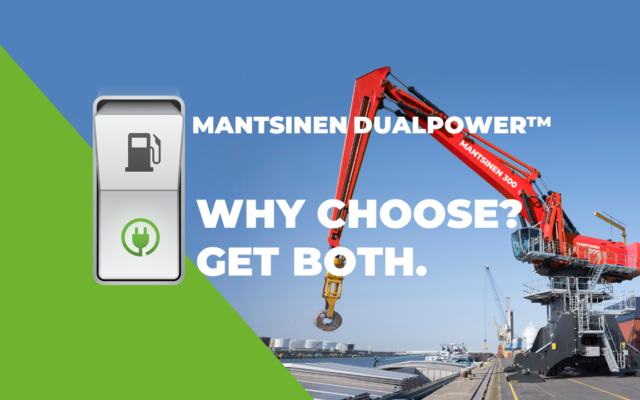
Mantsinen DualPower is the first dual power concept in material handling machines that integrates both an electric motor and a diesel engine into a single unit, rather than relying on one power source alone. A standard diesel machine is fixed to combustion power regardless of where it operates. DualPower gives the operator a genuine choice, matching the power source to the environment, the available infrastructure, and the job at hand.
In practice, this means the same machine can run on grid electricity when connected to a power supply at a port terminal or industrial facility, and then switch to diesel when it needs to move to a location without electrical infrastructure. No second machine is needed. No compromise on capability is required. The electric diesel material handler delivers full working performance in both modes, which is a meaningful departure from conventional single-source machines that lock operators into one operational profile for the machine’s entire life.
The DualPower concept also pairs naturally with our Mantsinen Hybrilift® energy recovery system, which captures energy generated during boom movements and feeds it back into the machine. Together, these technologies represent a step change in how a hydraulic material handler consumes and manages energy compared to a traditional diesel-only machine.
How Does DualPower Switch Between Electric and Diesel Modes?
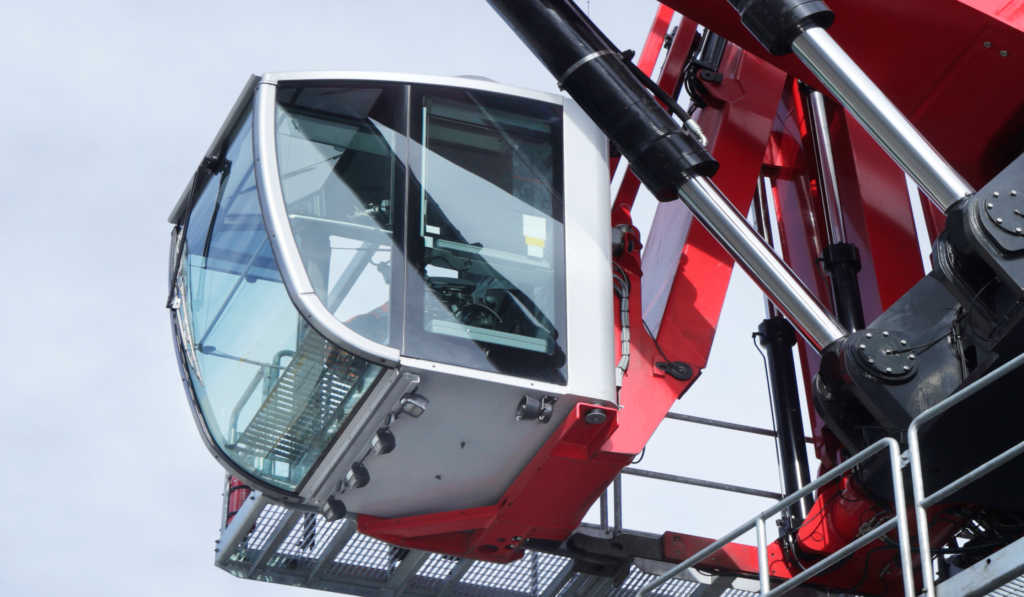
DualPower switches between electric and diesel modes through an integrated control system that allows the operator to select the appropriate power source directly from the cab. The transition is designed to be straightforward and practical, requiring no special tooling or lengthy reconfiguration. When a grid connection is available, the machine plugs in and runs on electric power. When the machine moves beyond the cable reach or to a site without grid access, the diesel engine takes over seamlessly.
The system is engineered so that full machine performance is maintained in both modes. Operators do not experience a reduction in lifting capacity, reach, or cycle times when switching between power sources. This consistency matters enormously in high-throughput environments where productivity cannot afford to dip because the power configuration has changed.
From a practical standpoint, the switchover process is fast enough that it does not interrupt a working shift in any significant way. This makes DualPower operational flexibility a real-world advantage rather than a theoretical one, particularly for sites where machines move between covered and open areas, or between electrified berths and non-electrified storage zones during the same working day.
What Types of Job Sites Benefit Most from DualPower?
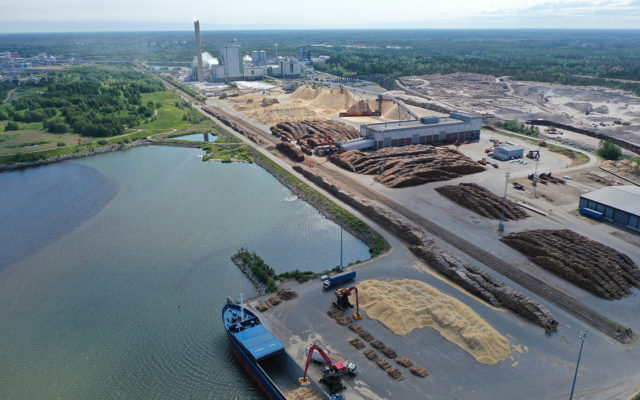
The dual power material handler delivers the greatest advantage at sites that have mixed infrastructure, strict indoor emission regulations, or plans to expand their electrical grid capacity over time. Ports, bulk terminals, steel mills, and paper and pulp facilities are among the environments where DualPower’s flexibility translates directly into operational and regulatory value.
Indoor and semi-enclosed facilities benefit especially from electric mode operation, where diesel exhaust inside warehouses or processing halls creates health, safety, and compliance challenges. Running on electric power in these zones eliminates exhaust emissions at the point of operation, improving air quality and helping sites meet occupational health standards without restricting machine use.
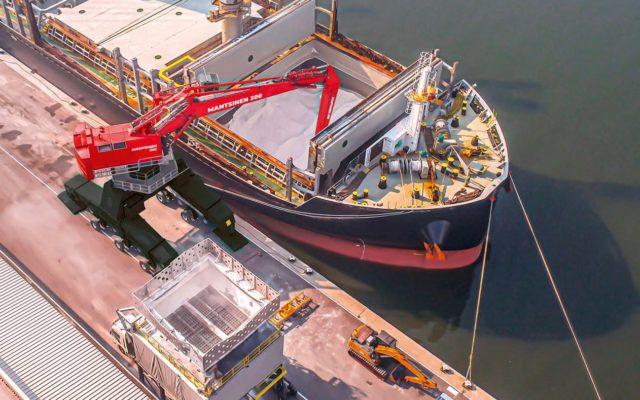
Ports and terminals with partially electrified quayside infrastructure also gain a clear advantage. A DualPower machine can work electric at the berth where power is available, then drive on diesel to a yard area that has not yet been connected to the grid. This hybrid material handling machine profile means operators do not need to purchase separate machines for different zones, which reduces capital expenditure and simplifies fleet management.
Sites in the early stages of electrification planning benefit from a future-proofing perspective. Investing in DualPower now means the machine is already equipped for electric operation as the site’s grid capacity grows, protecting the investment across the full life cycle of the equipment.
How Does DualPower Affect Fuel Consumption and Operating Costs?
DualPower reduces fuel consumption by replacing diesel hours with electric operating hours whenever grid power is available, directly cutting the volume of fuel burned per shift. Because electricity is typically less expensive per unit of energy than diesel, every hour spent in electric mode lowers the energy cost of that operating period. Over a full year of operation, the cumulative saving across fuel and energy costs can be substantial depending on how many hours the machine runs on electric power.
When DualPower is combined with the Mantsinen Hybrilift® system, the efficiency gains compound further. Hybrilift captures kinetic energy from boom movements and reuses it within the machine’s hydraulic system, reducing the total energy draw regardless of which power source is active. We developed Hybrilift starting in 2006, and it remains one of the most effective energy recovery systems in the material handling industry, capable of cutting energy consumption and costs by up to 50%.
Maintenance costs also shift in favor of DualPower over time. Diesel engine hours directly drive service intervals, component wear, and consumable replacement. By reducing diesel hours through electric operation, the machine accumulates engine wear more slowly, which can extend service intervals and reduce the frequency of major engine-related maintenance events. This is a less obvious but genuinely meaningful contribution to total cost of ownership over the machine’s life cycle.
How Does DualPower Support Emissions and Sustainability Targets?
DualPower supports emissions and sustainability targets by enabling zero exhaust emissions at the point of operation during electric mode, which directly reduces a site’s local air quality impact and contributes to corporate and regulatory decarbonization goals. For operators under pressure to reduce Scope 1 emissions or comply with increasingly strict port and industrial emissions regulations, the ability to run on electricity is a practical and immediate tool.
The environmental case for DualPower strengthens as electricity grids become cleaner. When a site draws power from renewable or low-carbon sources, the electric operating hours of a DualPower machine carry a significantly reduced carbon footprint compared to diesel operation. This means the sustainability value of the machine improves automatically as the energy mix on the grid improves, without any modification to the machine itself.
Noise pollution is another dimension of environmental performance where DualPower makes a difference. Electric operation is considerably quieter than diesel, which matters for facilities near residential areas, for night-shift operations with noise curfews, and for improving working conditions for operators and ground personnel.
We design DualPower as part of a broader commitment to building machines that are efficient, safe, and ecologically sustainable. For operators setting long-term sustainability targets, choosing a DualPower machine is not just a compliance measure. It is a strategic investment that positions the operation ahead of tightening environmental standards rather than scrambling to catch up with them.
Getting the Most from Your DualPower Machine
Choosing the right machine is only the first step. To maximize the value of a DualPower investment, we recommend working closely with our team and certified dealer network from the moment of delivery. We optimize every machine delivery together with our partners to minimize installation and transportation costs and protect your operations from unnecessary downtime from day one.
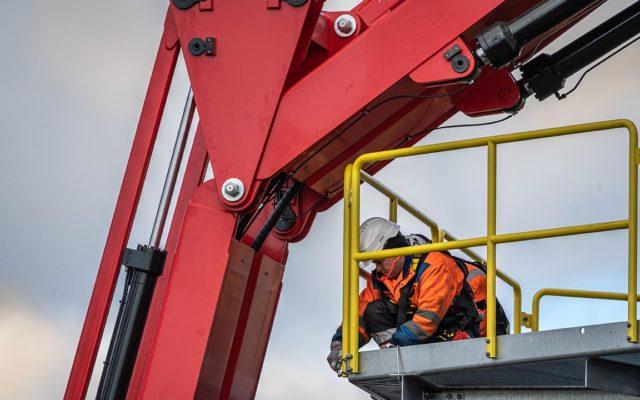
Our field specialists manage on-site assembly, commissioning, and system integration, ensuring the machine is fully validated and ready for operation before the first shift begins. Comprehensive operator training, from eLearning modules to on-site instruction and advanced simulators, ensures your team can work safely and efficiently in both electric and diesel modes from the start.
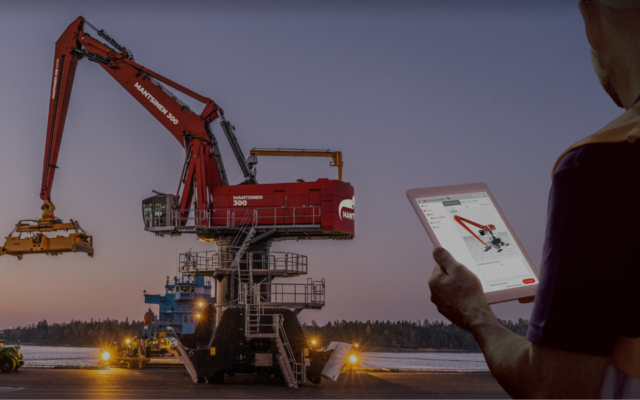
Over the machine’s life, our lifecycle services keep DualPower performing at its best. Original Mantsinen spare parts, scheduled maintenance, machine inspections, and fast on-site support through our global dealer network all contribute to maximizing machine availability and reducing downtime. Our remote services, powered by Mantsinen INSIGHT™ telematics, allow us to identify and diagnose issues promptly, and many problems can be resolved remotely, reducing the need for on-site visits and lowering the environmental impact of servicing. For longer-term planning, our upgrade and life extension solutions, including retrofits and overhauls, keep your DualPower machine current with the latest capabilities throughout its operational life.