What are the benefits of using hydraulic material handlers in ports?
Hydraulic material handlers deliver significant benefits in ports, including faster cargo throughput, greater lifting precision, lower fuel consumption, and improved operator safety. These machines are purpose-built for the demanding, high-cycle environment of port operations, where reliability and efficiency directly affect profitability. The sections below answer the most important questions port operators ask before investing in hydraulic handling equipment.
How do hydraulic material handlers work in port environments?
Hydraulic material handlers use pressurized fluid circuits to power boom movements, stick extension, and attachment rotation, giving operators precise, responsive control over heavy loads in tight spaces. An engine drives a hydraulic pump, which transmits force through cylinders and motors to move the machine’s arm and grip cargo with exceptional accuracy, even under continuous heavy-duty cycles.
In a port setting, this matters because conditions are rarely static. Vessels sit at different heights depending on their load, cargo arrives in irregular shapes and weights, and operations run around the clock. The hydraulic system responds instantly to operator input, allowing fine adjustments mid-cycle that purely mechanical or cable-based systems cannot match.
Modern port material handling equipment goes further by integrating intelligent control systems that act as the brains behind the machine. We build our machines with advanced hydraulic and intelligent control technology that allow customer-specific configuration, adjusting boom speed, stick feel, and attachment behavior to match the exact demands of each terminal. The system presents clear, easy-to-read information on screen, reducing cognitive load on the operator and enabling remote diagnostics so issues can be identified and resolved without costly downtime.
What types of cargo can hydraulic handlers move in ports?
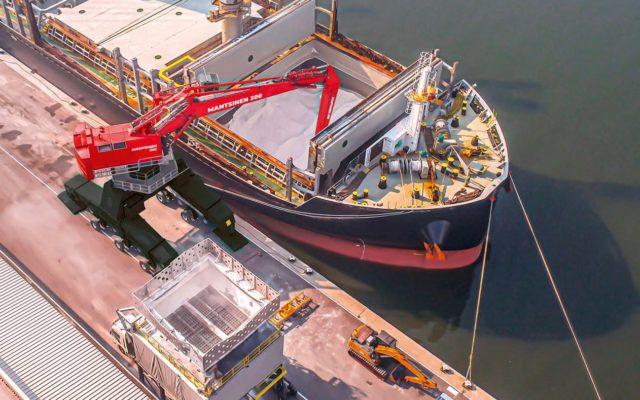
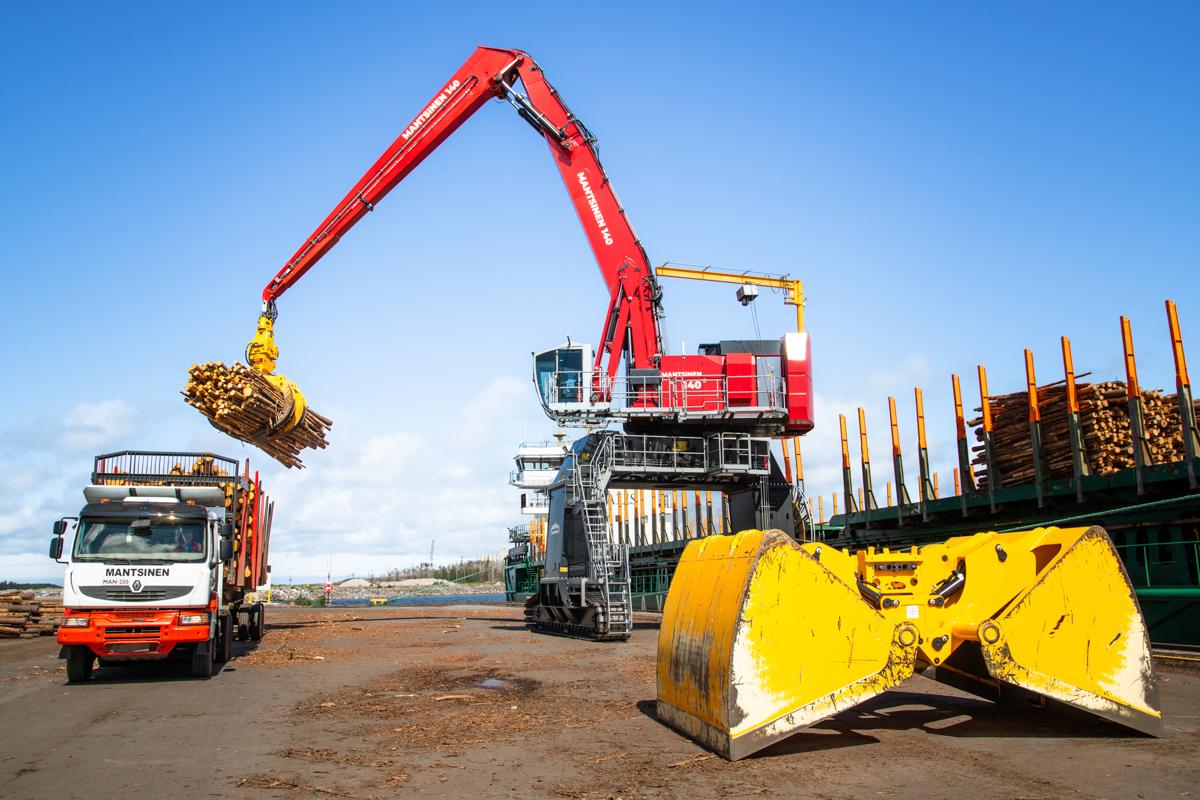
Hydraulic handlers in ports can move bulk materials such as timber, wood chips, scrap metal, coal, and grain, as well as heavy unitized loads including steel coils, pipes, and large industrial components. By changing the attachment, the same base machine handles completely different cargo types, making it one of the most versatile pieces of port logistics equipment available.
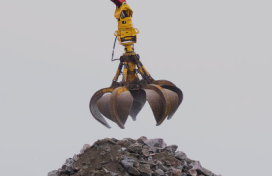
The range of compatible attachments is wide. Grapples handle loose bulk like logs and scrap. Grabs work with granular materials. Magnets lift ferrous metals cleanly and quickly. Orange-peel grabs manage mixed or irregular bulk. This interchangeability is a practical advantage for ports that handle mixed cargo flows across different berths or seasons, because a single hydraulic handler can replace several single-purpose machines.
How much faster is hydraulic handling compared to traditional port equipment?
Hydraulic material handlers typically complete loading and unloading cycles significantly faster than older rope-and-grab cranes or wheeled loaders because their hydraulic circuits deliver continuous, smooth power with no mechanical lag between operator input and machine response. Cycle times are shorter, positioning is more accurate, and operators spend less time repositioning between lifts.
Traditional cable cranes require more time to stabilize swinging loads before release, while wheeled loaders must travel back and forth across the yard. A purpose-built hydraulic handler stays in position, reaches the target with its boom, and completes the cycle without repositioning travel. Over a full shift, this difference compounds into substantially higher tonnage moved per hour, which directly reduces vessel turnaround time and berth occupancy costs.
What are the energy efficiency advantages of hydraulic handlers in ports?
Hydraulic material handlers offer measurable energy efficiency advantages through energy recovery systems and dual-power configurations that reduce fuel consumption and operating costs compared to conventional diesel-only port equipment. For ports facing rising energy costs and environmental targets, these technologies represent a direct path to lower cost per tonne moved.
We have been developing energy-saving innovations for more than two decades. Our Mantsinen Hybrilift® system captures the energy generated when the boom lowers and reuses it during the next lift cycle, reducing energy consumption and costs by up to 50%. Development began in 2006, giving the system years of refinement in real operational conditions across demanding port environments.
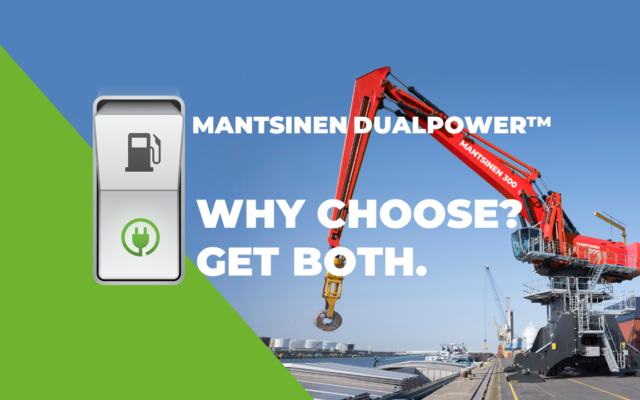
For ports that need both flexibility and sustainability, our Mantsinen DualPower concept is the first dual-power solution ever developed for material handlers. It combines an electric motor and a diesel engine in a single machine, allowing operators to run on grid electricity when shore power is available and switch to diesel when mobility across the terminal is required. The result is a practical combination of reduced emissions, lower fuel bills, and uncompromised productivity, without forcing a choice between environmental performance and operational capability.
How do hydraulic handlers improve port safety?
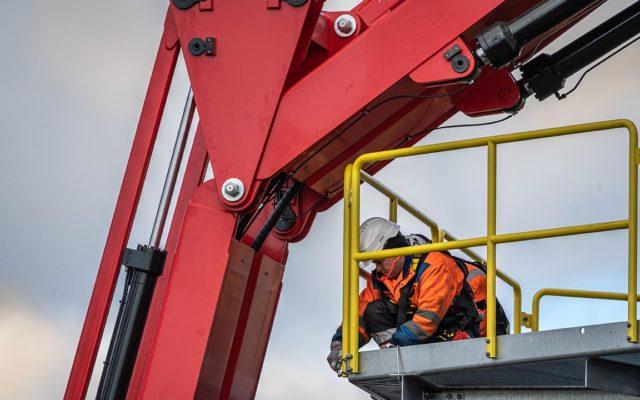
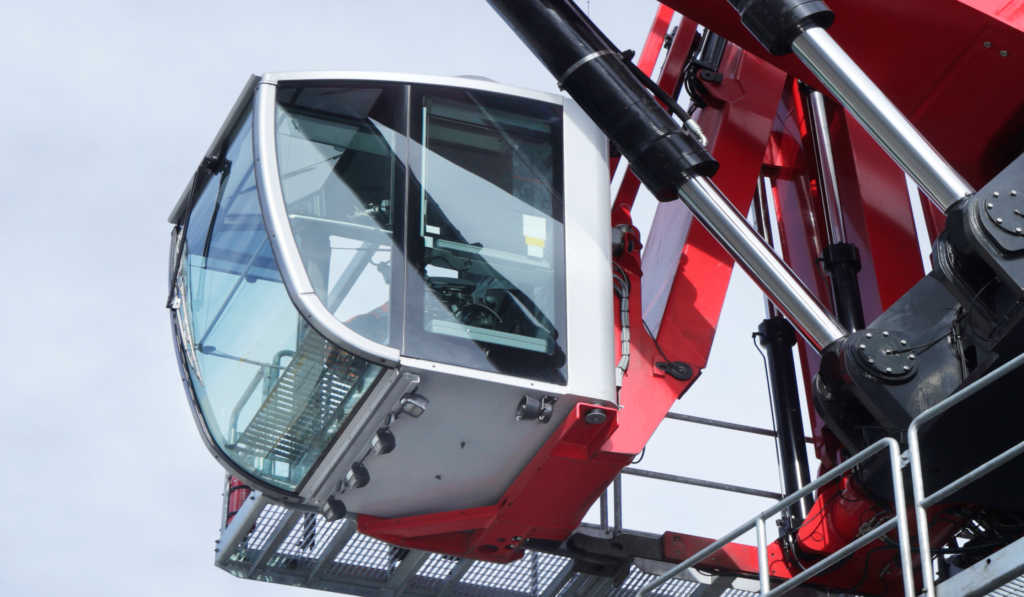
Hydraulic material handlers improve port safety by giving operators precise, controlled load movements that reduce the risk of dropped cargo, uncontrolled swings, and collisions with vessels or infrastructure. The enclosed cab, ergonomic controls, and intelligent monitoring systems also reduce operator fatigue, which is one of the leading contributors to accidents in high-cycle port operations.
The intelligent control system plays a direct role here. By allowing speed and sensitivity adjustments, operators can dial in the right response for each cargo type, preventing sudden, jerky movements that destabilize loads. Remote diagnostics mean that mechanical faults can be detected before they become failures, reducing unplanned breakdowns that create hazardous situations on the quayside.
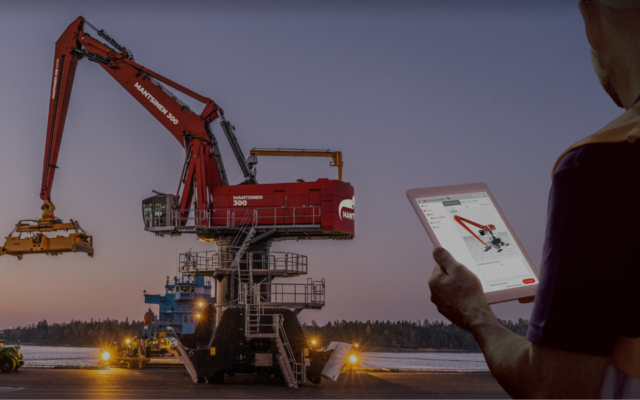
Our telematics platform, Mantsinen Insight, provides continuous monitoring of machine performance and efficiency from any location at any time. Port managers can track operating patterns, identify unsafe behaviors, and schedule maintenance proactively rather than reactively, keeping both equipment and personnel safer across every shift.
What should ports consider when choosing a hydraulic material handler?
When choosing a hydraulic material handler for port use, the most important factors are cargo type and volume, required reach and lifting capacity, energy source availability, and the level of after-sales support offered by the manufacturer. Getting these decisions right at the specification stage prevents costly mismatches between machine capability and operational demand.
Here are the key considerations to evaluate before committing to a machine:
- Cargo profile: Identify the primary materials handled and whether the operation involves mixed cargo, because this determines which attachments and boom configurations are needed.
- Throughput targets: Match machine size and cycle speed to peak tonnage requirements, not just average daily volumes, to avoid bottlenecks during busy periods.
- Power infrastructure: Assess whether shore power is available at the berth, since a dual-power machine like DualPower can deliver major cost savings if grid connection is accessible.
- Machine size and reach: Larger machines handle more per cycle but require appropriate ground bearing capacity and maneuvering space. We offer a range up to the Mantsinen 300, the world’s largest hydraulic material handler.
- Control system flexibility: Choose a machine whose control system can be configured to your specific workflow and integrated with your terminal management software.
- Manufacturer experience: Prioritize suppliers who operate their own machines in real conditions. We operate our machines at forest and steel industry sites, meaning every design decision is informed by genuine operational knowledge, not theory alone.
The silhouette of a Mantsinen machine is a common sight at the world’s largest and busiest ports precisely because we have spent over six decades refining equipment to meet demands that no other machine on the market could satisfy. That operational heritage, combined with world-class engineering, means ports that choose our machines benefit from solutions optimized for efficiency, durability, and long-term profitability.