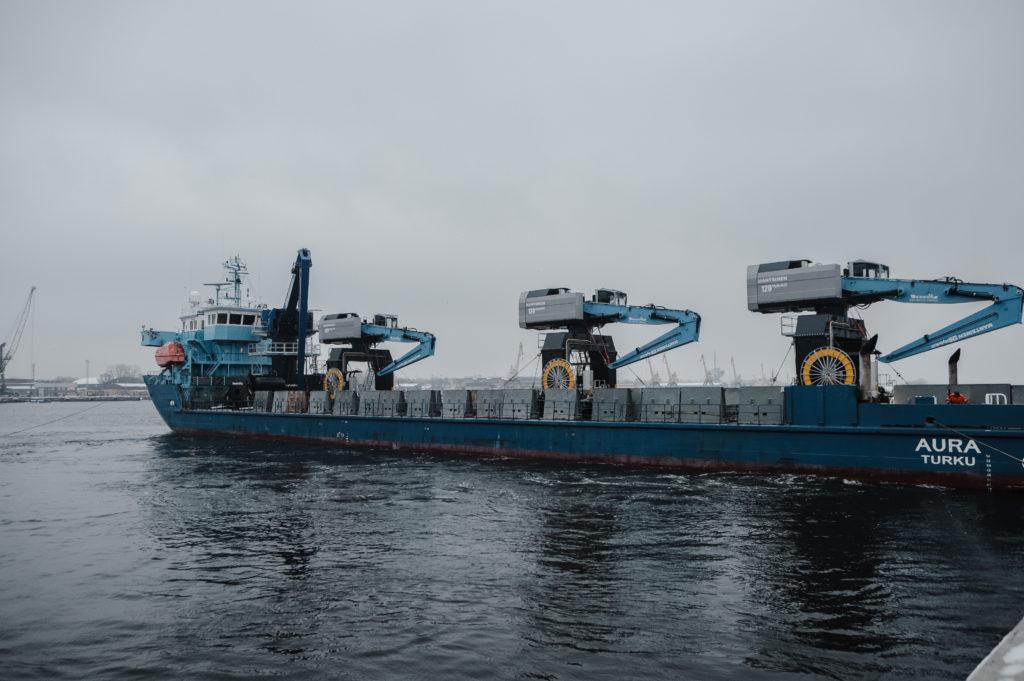
How data can be used to optimize material handling at ports?
Ports can use data to optimize material handling by collecting real-time operational metrics from machines, sensors, and systems, then applying analytics to improve throughput, reduce downtime, cut energy costs, and sharpen operator performance. The key is turning raw machine data into actionable decisions rather than simply logging numbers. The sections below unpack each major dimension of data-driven port operations.
What types of data are collected from material handling machines at ports?
Material handling machines at ports collect several categories of operational data: machine performance metrics (engine load, hydraulic pressure, cycle times), location and movement data, fuel and energy consumption, fault codes and sensor alerts, and operator input patterns. Together, these data streams create a comprehensive picture of how each machine is performing across every shift.
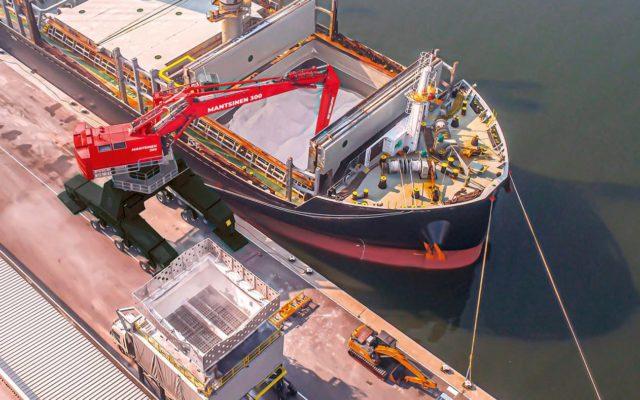
Modern hydraulic material handlers are equipped with onboard telematics systems that continuously log this information and transmit it to fleet management platforms. At the machine level, sensors track everything from boom position and load weight to oil temperature and filter status. At the fleet level, port operators can aggregate data across multiple machines to identify patterns that would be invisible when looking at any single unit in isolation.
The most valuable data types for port material handling optimization typically fall into three broad categories:
- Machine health data: hydraulic system pressures, engine temperatures, component wear indicators, and fault event logs
- Productivity data: tonnes handled per hour, grab cycle frequency, idle time versus active working time, and load accuracy
- Energy data: fuel consumption per tonne moved, peak power demand periods, and recovered energy captured by systems that recover boom lowering energy for reuse in lifting
When these data types are combined and contextualized against cargo volumes and shift schedules, port operators gain the foundation for genuine data-driven material handling decisions.
How does real-time data improve port throughput and efficiency?
Real-time data improves port throughput by giving operators and supervisors immediate visibility into bottlenecks, machine idle time, and workflow gaps as they happen rather than hours or days later. When a handler sits idle waiting for a vessel hatch to open or a truck to position, that lost time shows up instantly in the data feed, enabling supervisors to redistribute tasks or adjust sequencing on the fly.
In bulk material handling environments, where cargo volumes and vessel schedules create intense time pressure, even small efficiency gains compound quickly. Real-time dashboards allow terminal managers to monitor cycle times per machine, compare performance across shifts, and identify which operational sequences are producing the best throughput rates. If one operator or one machine configuration consistently outperforms others, that information can be acted on immediately rather than discovered during a monthly review.
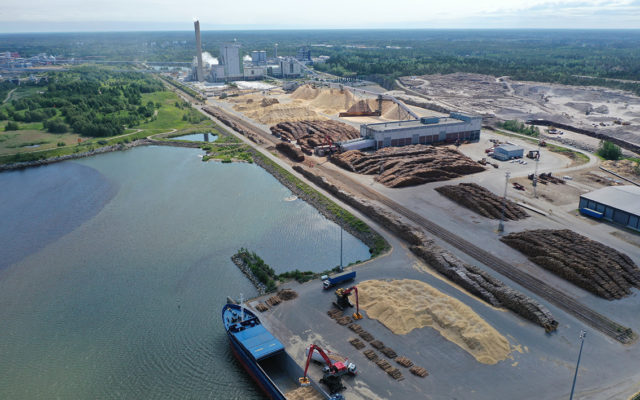
Real-time data also supports coordination between machines, transport vehicles, and storage areas. When a handler’s position and load status are visible across the terminal’s management system, dispatchers can time truck arrivals more precisely, reduce queuing, and keep material flowing without unnecessary pauses. The cumulative effect on bulk material handling efficiency is significant, particularly during high-volume operations like coal or woodchip unloading at ports and terminals handling bulk cargo, where vessel turnaround time directly affects port revenue.
How can predictive maintenance data reduce machine downtime at ports?
Predictive maintenance data reduces machine downtime at ports by identifying early signs of component wear or system stress before they cause a breakdown. Rather than waiting for a failure or relying on fixed service intervals, maintenance teams act on data signals that indicate when a specific component is approaching the end of its reliable service life.
In practice, this means continuously monitoring parameters like hydraulic fluid temperature, filter differential pressure, vibration patterns in rotating components, and engine performance trends. When these readings deviate from established baselines, the system flags the anomaly for inspection. A maintenance technician can then address the issue during a planned window rather than responding to an unplanned breakdown mid-shift.
For port operators managing expensive hydraulic material handlers, the financial case is straightforward. Unplanned downtime during a vessel call carries direct costs in demurrage charges, overtime labor, and emergency repair premiums. Predictive maintenance data shifts the cost structure by enabling planned interventions that are shorter, cheaper, and less disruptive. Over time, maintenance teams also build a richer understanding of which components fail earliest under which operating conditions, allowing them to refine inspection schedules and stock the right spare parts proactively.
We design our machines with remote monitoring capability built in, which means our customers can access machine health data without requiring a technician to be physically present at the machine for routine status checks.
What role does energy consumption data play in reducing operating costs?
Energy consumption data plays a central role in reducing port operating costs by revealing exactly where fuel or electricity is being used inefficiently, making it possible to target improvements with precision rather than guessing. Without this data, energy waste tends to remain invisible within overall fuel bills that operators accept as fixed costs of doing business.
At the machine level, energy data shows how much fuel is consumed per tonne of material handled, how often the engine runs at high load versus idle, and whether operators are using machine functions in sequences that minimize unnecessary power draw. This granular view makes it possible to compare energy efficiency across operators, shifts, and cargo types, identifying the combinations that deliver the best output per unit of energy consumed.
Our Mantsinen Hybrilift® system takes this a step further by actively recovering energy that would otherwise be lost. Hybrilift® captures the energy generated as the boom is lowered and reuses it to power subsequent boom lifting movements. The energy consumption data produced by this system gives operators a clear view of how much energy is being recovered versus consumed, which supports both cost management and environmental reporting requirements that are increasingly important under European port regulations.
At the fleet level, aggregated energy data helps terminal managers make informed decisions about machine utilization, such as which machines to deploy for which cargo types, or when to schedule high-intensity operations to take advantage of lower electricity tariff periods.
How is operator performance data used to improve safety and productivity?
Operator performance data is used to identify behavioral patterns that affect both safety outcomes and productivity metrics, enabling targeted training, fair performance evaluation, and the sharing of best practices across a terminal’s workforce. This data captures how individual operators interact with the machine rather than just what the machine does overall.
Typical operator data points include grab cycle times, load weights achieved per cycle, frequency of abrupt control inputs, idle time during shifts, and adherence to safe operating zones. When analyzed over time, these patterns reveal meaningful differences between operators that aggregate machine data would obscure. One operator might achieve faster cycle times but with higher fuel consumption; another might handle loads more gently, reducing wear on the grab and attachment components.
Safety applications of operator data
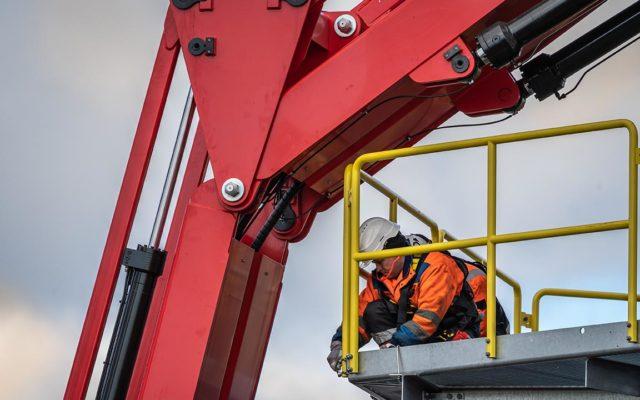
From a safety perspective, operator data helps terminal managers identify risky behaviors before they result in incidents. Abrupt hydraulic inputs, repeated proximity alerts near vessel holds or quay edges, and patterns of overloading are all detectable through machine data logs. This allows safety managers to intervene with coaching or procedural adjustments based on evidence rather than observation alone, which is particularly valuable in large terminals where supervisors cannot directly observe every machine at all times.
Productivity applications of operator data
On the productivity side, operator performance data makes it possible to identify top performers and understand what they do differently. If a small number of operators consistently achieve higher throughput with lower energy consumption, their techniques can be documented and used in training programs for the rest of the team. This evidence-based approach to skills development tends to produce more consistent improvements than generic training because it is grounded in real operational data from the specific machines and cargo types the team works with every day.
What tools and systems are needed to collect and act on port handling data?
Collecting and acting on port operations data requires four core components: onboard telematics hardware on each machine, a data transmission infrastructure (typically cellular or port WiFi), a fleet management or analytics platform to aggregate and visualize the data, and integration with the port’s broader operational systems such as terminal management software and maintenance scheduling tools.
The telematics hardware is the starting point. Modern hydraulic material handlers should have sensors and controllers capable of logging the key data streams described above, with the ability to transmit data in real time or at defined intervals. Without reliable onboard data capture, the rest of the system has nothing to work with.
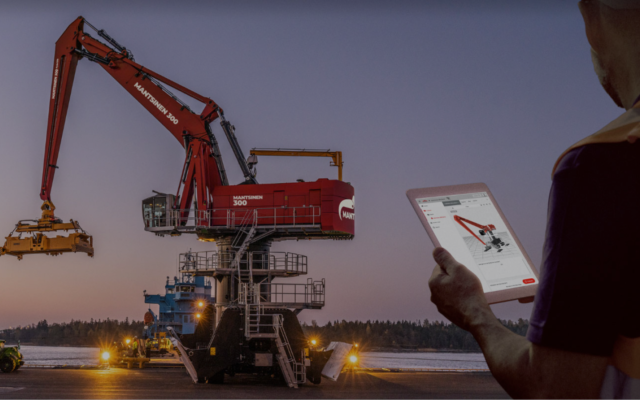
The analytics platform is where raw data becomes useful. A well-designed platform presents machine health, energy, and productivity data in dashboards that are accessible to different user groups: maintenance technicians need fault alerts and component trend data; shift supervisors need throughput and idle time metrics; and terminal managers need fleet-level performance and cost summaries. The same underlying data serves different decision-makers when the platform is structured correctly.
Integration with existing port systems is often the most complex step. Terminal management systems, ERP platforms, and maintenance scheduling tools each hold data that becomes more valuable when combined with machine-level operational data. A port that can correlate machine cycle data with cargo manifest information, for example, can calculate true cost-per-tonne figures that inform commercial decisions as well as operational ones.
Finally, acting on data requires organizational commitment alongside the technical infrastructure. The most sophisticated analytics platform produces no benefit if maintenance teams continue to follow fixed service intervals regardless of what the data shows, or if operator performance insights are collected but never fed back into training programs. Port logistics optimization through data is as much a management practice as it is a technology investment, and our machine support and maintenance services are designed to help operators get the most from their data-driven systems.