How do you reduce downtime on bulk material handlers at port terminals?
Reducing downtime on bulk material handlers at port terminals comes down to three core practices: preventive maintenance on a fixed schedule, real-time monitoring through telematics, and operator training that protects equipment between service intervals. When these three pillars work together, terminals can shift from reactive repairs to planned uptime management. The sections below address the most common questions port operators ask when trying to keep their handlers running.
What causes the most downtime on bulk material handlers at port terminals?
The leading causes of downtime on bulk material handlers at port terminals are hydraulic system failures, unplanned component wear, and delayed access to service support. These three factors account for the majority of unplanned stoppages in high-intensity port environments where handlers operate across extended shifts and variable load conditions.
Hydraulic systems are the heart of any material handler, and they are also the most vulnerable to contamination, seal degradation, and pressure fluctuations caused by heavy or uneven loads. When hydraulic fluid quality is not monitored regularly, internal component wear accelerates well before any visible symptoms appear, making failure difficult to predict without the right monitoring tools in place.
Beyond hydraulics, structural fatigue on booms and attachments, electrical faults in control systems, and undercarriage wear on mobile handlers are consistent contributors to port terminal equipment downtime. The common thread across all of these is that they are detectable early with the right maintenance approach, but they become costly and time-consuming when discovered only after a breakdown has already stopped operations.
How does a preventive maintenance schedule reduce unplanned stoppages?
A preventive maintenance schedule reduces unplanned stoppages by replacing reactive repairs with planned interventions at defined intervals, allowing wear components to be serviced or replaced before they cause failure. This approach converts unpredictable breakdown events into controlled, scheduled activities that can be planned around operational demands.
For hydraulic material handlers for port terminals operating at port terminals, a structured maintenance program typically covers hydraulic fluid analysis, filter replacements, seal inspections, boom and joint lubrication, and electrical system checks. Each of these tasks addresses a known failure mode before it escalates. The difference in handler availability between terminals that follow a fixed schedule and those that rely on breakdown-triggered service is significant in practice.
We recommend that periodic maintenance on Mantsinen handlers be carried out through our comprehensive dealer network. Our partners bring both the technical knowledge and the genuine parts required to keep machines operating at their designed performance levels. When maintenance is handled by qualified partners familiar with the specific machine, operational reliability and the predictability of service intervals both improve substantially, which directly supports port terminal productivity.
What role do telematics and remote monitoring play in uptime?
Telematics and remote monitoring improve bulk handler uptime by providing continuous visibility into machine health, flagging service needs before they become failures, and enabling remote technical support that reduces the time needed to diagnose and resolve issues. For port terminals running multiple shifts, this real-time visibility is a practical alternative to waiting for a problem to surface during operation.
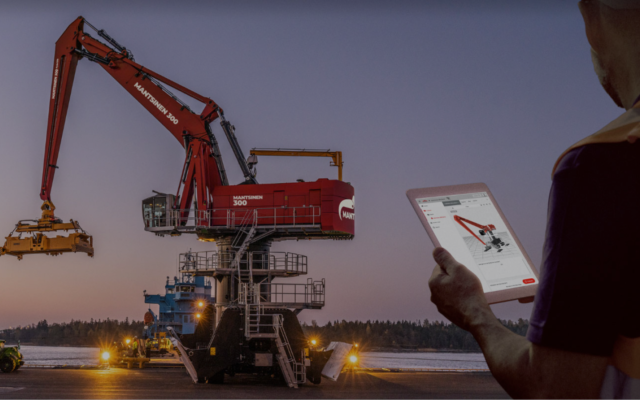
Our Mantsinen Insight telematics system is built specifically for this purpose. It can be configured to automatically notify the operator or owner when a machine is approaching a scheduled service interval, removing the need to track maintenance manually across a fleet. This automated alert function alone reduces the risk of service intervals being missed during busy operational periods.
Beyond service reminders, Mantsinen Insight provides a live connection that allows our factory technical customer service team to troubleshoot issues remotely. When a fault occurs, our technical specialists can connect directly to the machine, assess the situation in real time, and guide the local service team through the resolution. This capability shortens problem resolution time considerably and reduces the periods when a handler sits idle while waiting for an on-site technician to diagnose the fault from scratch.
How do energy recovery systems affect the reliability of hydraulic handlers?
Energy recovery systems improve the reliability of hydraulic handlers by reducing the thermal and mechanical load on core components, which extends service life and lowers the frequency of heat-related failures. When a handler recovers and reuses energy rather than dissipating it as heat, the hydraulic system runs cooler and under less stress across a full operating shift.
Our Mantsinen Hybrilift® system captures kinetic energy from the boom’s lowering movement and feeds it back into the boom’s lifting cycle. This process reduces energy consumption and associated costs by up to 50 percent. From a reliability standpoint, the benefit extends beyond fuel savings. Lower operating temperatures mean hydraulic seals, fluids, and pump components experience less thermal degradation over time, which directly supports longer service intervals and fewer unplanned stoppages.
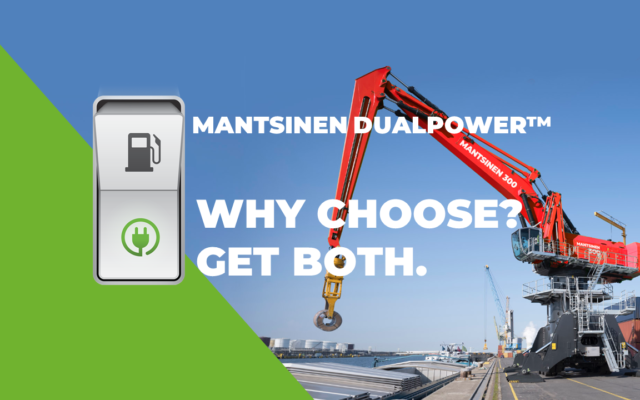
Our DualPower concept adds another layer of operational resilience by combining an electric motor with a diesel engine. If one power source is constrained by site conditions or fuel availability, the handler can continue operating. This flexibility reduces the risk of a single-point failure bringing operations to a halt, which is particularly valuable in port environments where handler availability is directly tied to vessel turnaround times.
When should a port terminal consider upgrading its material handler fleet?
A port terminal should consider upgrading its material handler fleet when maintenance costs are rising faster than handler output, when aging machines can no longer integrate with modern telematics or monitoring systems, or when throughput demands have grown beyond the capacity of the current fleet. These are the three clearest signals that continued investment in older equipment is delivering diminishing returns.
Rising maintenance frequency is the most reliable indicator. When a handler requires unplanned intervention more than once per month, the cumulative downtime and parts cost often exceed what a structured upgrade program would cost over the same period. Terminals should track total cost of ownership rather than purchase price alone when making this assessment.
Throughput growth is the second driver. Port terminals handling increasing volumes of bulk material need handlers that match the pace and load requirements of modern operations. Older machines may be mechanically functional but operationally limiting if they cannot match the cycle times, lift capacities, or attachment options that current cargo profiles demand. Evaluating the fleet against current and projected throughput requirements gives terminals a clear basis for deciding when an upgrade delivers a measurable return.
What operator practices have the biggest impact on handler availability?
The operator practices that have the biggest impact on bulk material handler availability are pre-shift inspections, load discipline, and prompt fault reporting. These three habits directly influence how quickly problems are identified and how much stress is placed on critical components between scheduled service intervals.
Pre-shift walkaround checks allow operators to identify visible issues, such as hydraulic leaks, attachment wear, or undercarriage damage, before the machine enters operation. Catching a minor issue at the start of a shift prevents it from becoming a mid-shift failure that halts productivity at the worst possible moment.
Load discipline matters because handlers are designed for specific load envelopes. Consistently operating at or near maximum capacity without accounting for load distribution, attachment condition, or ground conditions accelerates wear on boom joints, hydraulic cylinders, and slew rings. Operators who understand the machine’s designed operating range and work within it extend the intervals between component replacements.
Prompt fault reporting closes the loop between operators and maintenance teams. When operators report unusual sounds, response changes, or warning indicators immediately rather than completing a shift first, service teams can intervene before a developing fault becomes a full stoppage. This practice is especially effective when combined with a telematics system that logs machine data alongside operator reports, giving technicians a complete picture of what the machine experienced before and during the reported event. Learn more about the Mantsinen company and our expertise behind these solutions.