What are the most common maintenance issues with large material handlers?
The most common maintenance issues with large industrial material handlers include hydraulic system wear, seal and hose failures, undercarriage deterioration, and boom structure fatigue. These problems account for the majority of unplanned downtime in port, terminal, and industrial environments. Understanding which components fail most often, and why, helps operators build smarter maintenance schedules and keep machines running at peak capacity.
What causes the most downtime in large material handlers?
Hydraulic system failures are the leading cause of unplanned downtime in large material handlers, followed closely by undercarriage wear, electrical faults, and boom or attachment damage. In high-throughput environments like harbors and log terminals, even a short unscheduled stop creates costly bottlenecks across the entire logistics chain.
Hydraulic leaks and pump failures tend to be the most disruptive because they can shut down a machine entirely without warning. Contaminated hydraulic fluid accelerates wear on pumps, cylinders, and valves, making fluid cleanliness one of the most critical factors in preventing breakdowns. Alongside hydraulics, slewing ring wear is a frequent contributor to downtime in machines that rotate heavily throughout the shift, such as harbor cranes and log handlers.
Electrical faults, while less dramatic than a burst hose, are often harder to diagnose on-site and can delay repairs significantly if the right expertise is not immediately available. This is one reason remote diagnostics tools have become genuinely valuable in the field. Operator behavior also plays a real role: machines that are consistently pushed beyond their rated capacity or operated without proper warm-up cycles tend to accumulate wear faster and experience more frequent breakdowns.
How often should hydraulic systems be serviced on large handlers?
Hydraulic systems on large material handlers typically require a full fluid analysis and filter change every 500 to 1,000 operating hours, depending on the machine’s workload and operating environment. High-duty-cycle applications, such as continuous port operations, may require more frequent checks. Manufacturers’ service intervals should always be treated as the minimum baseline, not the maximum.
Beyond scheduled fluid changes, hydraulic hoses and seals should be visually inspected at every daily pre-shift check. Hoses that show cracking, abrasion, or bulging need to be replaced before they fail, not after. Cylinder seals are another weak point: they degrade faster in machines working in extreme temperatures or dusty conditions, and a leaking cylinder is both a performance and a safety concern.
Hydraulic fluid cleanliness is worth treating as a separate maintenance discipline. Particle contamination is responsible for a large share of pump and valve failures, yet it is preventable with proper filtration and by keeping fill points clean. Using the correct fluid specification for the operating climate is equally important, since the wrong viscosity grade can cause sluggish response in cold weather or accelerated wear in heat.
What are the most common wear parts that need regular replacement?
The wear parts that need the most frequent replacement on large material handlers are hydraulic hoses and seals, slewing ring bearings, bucket and grapple teeth or tines, undercarriage components on wheeled or tracked machines, and boom end bushings. These parts absorb the highest mechanical loads and contact stress during normal operation.
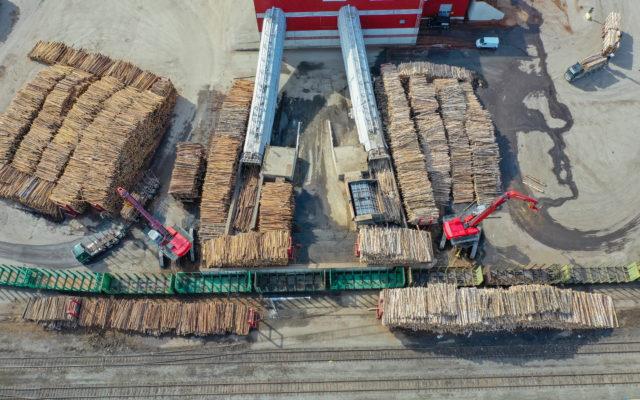
Grapple and bucket wear items are particularly relevant for log handlers and scrap handlers, where the attachment is in constant contact with abrasive material. Tines, cutting edges, and wear plates should be measured regularly and replaced before they wear through to the structural base material, which is far more expensive to repair. Staying ahead of attachment wear also maintains cycle efficiency, since worn tooling grips and handles material less effectively.
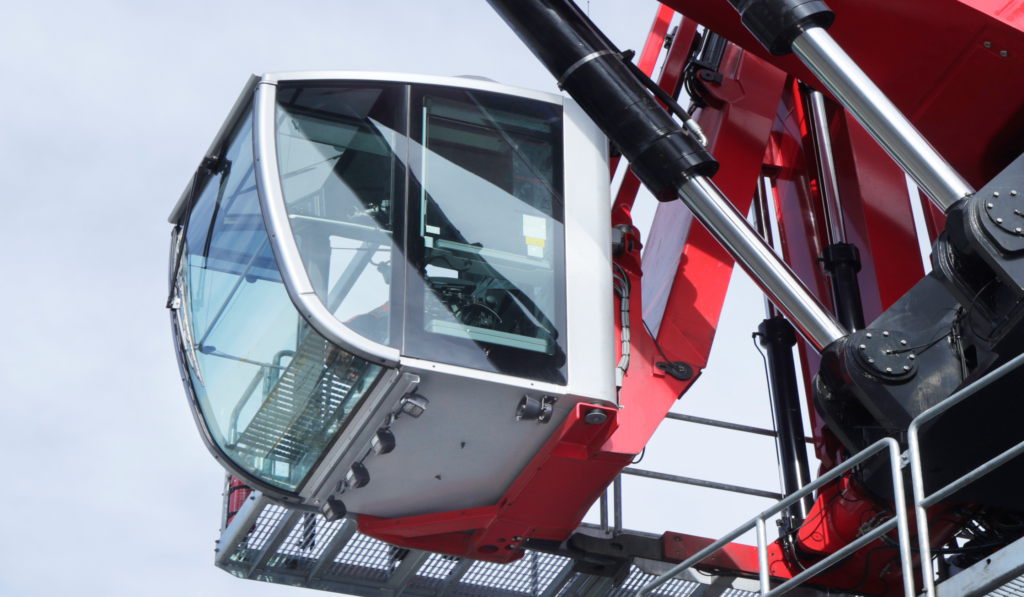
Slewing ring maintenance deserves special attention in machines that rotate continuously. Insufficient lubrication is the primary cause of premature slewing ring failure, and the consequences are severe: a worn or cracked slewing ring is not a quick field repair. Following the manufacturer’s greasing intervals precisely and using the specified grease type can extend slewing ring service life significantly.
How does operating environment affect maintenance frequency?
The operating environment has a direct impact on how often large material handlers need servicing. Machines working in saltwater port environments, extreme cold, high dust, or continuous multi-shift operations will reach wear thresholds faster than identical machines in more controlled conditions, and maintenance intervals should be adjusted accordingly.
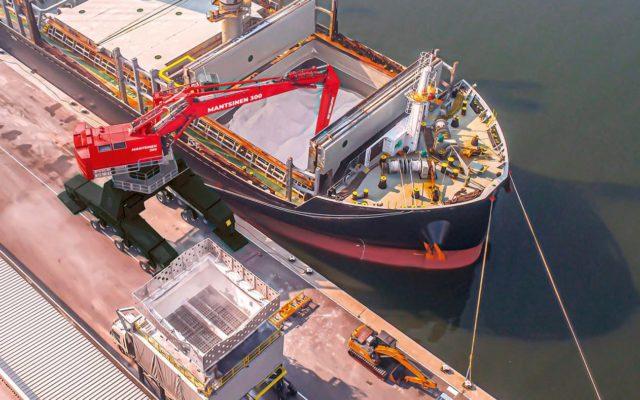
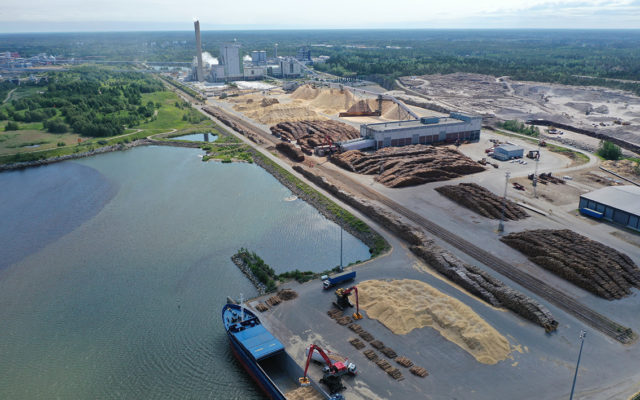
Coastal and harbor environments expose machines to salt air and moisture, which accelerates corrosion on structural components, electrical connectors, and hydraulic fittings. Regular washing, protective coatings, and more frequent electrical inspections are standard practice in these settings. Machines handling wood chips, biomass, or dry bulk materials face heavy dust ingress that clogs filters faster and increases wear on seals and bearings.
Cold climate operations introduce their own challenges. Hydraulic fluid thickens at low temperatures, increasing system pressure and stress on hoses during startup. Proper warm-up procedures and cold-weather fluid specifications reduce this risk considerably. At the other extreme, machines working in hot climates or in steel mill environments need cooling systems checked more frequently to prevent overheating of hydraulic fluid and engine components.
Can advanced powertrain technologies reduce maintenance needs?
Yes, advanced powertrain technologies can meaningfully reduce certain maintenance needs in large material handlers. Fewer moving parts in the drivetrain, lower thermal stress on components, and energy recovery systems that reduce brake wear all contribute to lower maintenance frequency compared to conventional diesel-only machines.
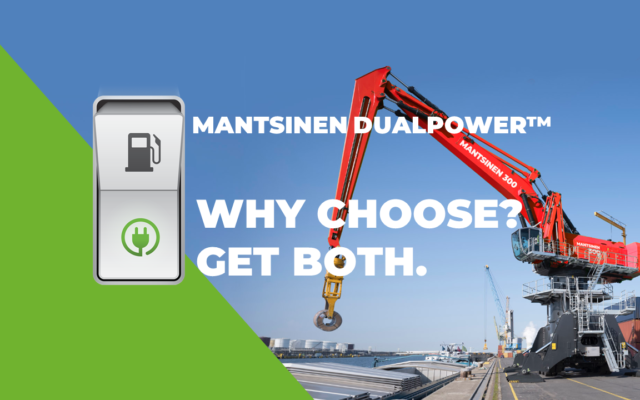
Our Mantsinen Hybrilift® system, for example, captures the kinetic energy of the boom during lowering and feeds it back into the boom’s lifting motion, reducing both fuel consumption and the thermal load on the hydraulic circuit. Lower operating temperatures generally translate to longer fluid and seal life. Similarly, our DualPower concept, which combines an electric motor with a diesel engine, allows the machine to run on electric power when connected to grid supply, reducing engine hours and extending intervals between engine-related service tasks like oil changes and filter replacements.
It is worth noting that advanced powertrain systems introduce their own maintenance requirements, particularly around battery management, power electronics, and electrical connections. These are different skill sets from traditional diesel mechanics, so service teams need appropriate training. Overall, though, operators running these machines in high-utilization environments typically see a net reduction in total maintenance cost over the machine’s service life.
What maintenance practices extend the service life of large material handlers?
The maintenance practices that most reliably extend the service life of large material handlers are consistent preventive maintenance on schedule, thorough daily pre-shift inspections, proper lubrication discipline, operator training, and timely replacement of wear parts before they cause secondary damage. Machines that receive structured preventive care routinely outlast those maintained reactively.
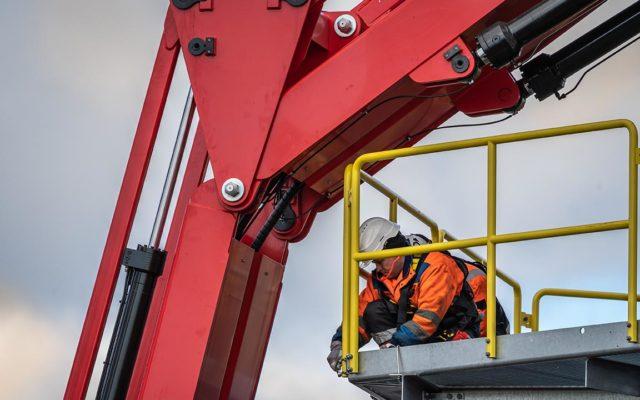
Daily inspections are the foundation of a good maintenance program. A trained operator who checks fluid levels, hose condition, attachment wear, and unusual noises before each shift catches developing problems while they are still inexpensive to address. Many serious failures, including catastrophic hydraulic pump failures and boom fatigue cracks, show early warning signs that a thorough visual check will reveal.
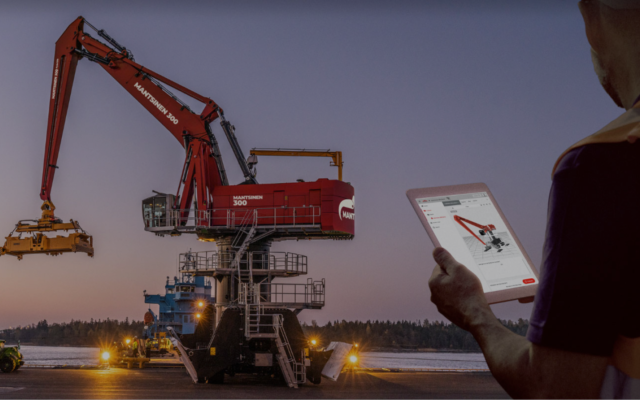
We support our customers in building this kind of structured maintenance discipline through our dealer network and authorized service partners and the Mantsinen Insight telematics system. Mantsinen Insight can be configured to automatically notify the operator or owner when a scheduled service interval is approaching, removing the risk of intervals being missed during busy operational periods. When service is performed by one of our authorized partners, the machine’s operational reliability and predictability improve substantially.
Remote diagnostics capability is another practical tool for extending machine life. The Mantsinen Insight system gives our factory technical support team a direct connection to the machine, allowing them to troubleshoot most issues remotely and provide real-time guidance to local service teams. Faster problem resolution means less time in a degraded operating state, which in turn means less secondary wear caused by running a machine that is not performing correctly. Combined with disciplined preventive maintenance, this kind of connected service support is one of the most effective ways to maximize the working life of a large material handler.