How does a telematics system improve material handler uptime?
A telematics system improves material handler uptime by giving operators, owners, and service teams real-time visibility into machine health, usage patterns, and maintenance needs before problems escalate into costly breakdowns. Rather than reacting to failures after they happen, telematics shifts the entire maintenance model toward prevention. The sections below unpack exactly how that works across data collection, predictive maintenance, fleet monitoring, and more.
What data does a telematics system collect from a material handler?
A telematics system collects operational, mechanical, and positional data from a material handler in real time. This typically includes engine hours, fuel consumption, hydraulic pressure readings, error codes, load cycles, GPS location, and operator behavior metrics such as idle time and cycle frequency. Together, these data streams create a continuous picture of machine health and productivity.
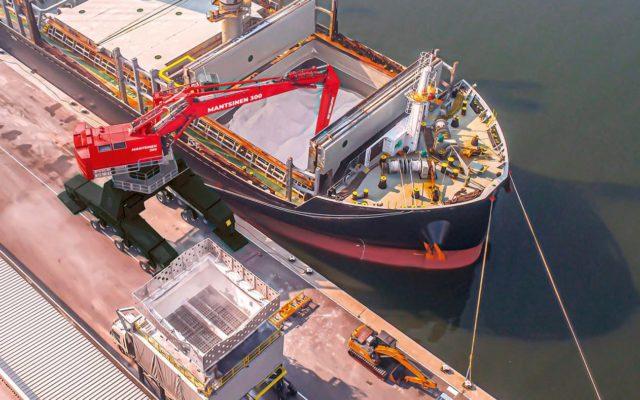
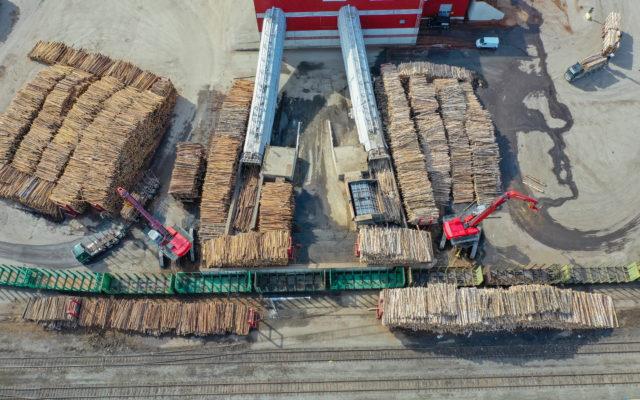
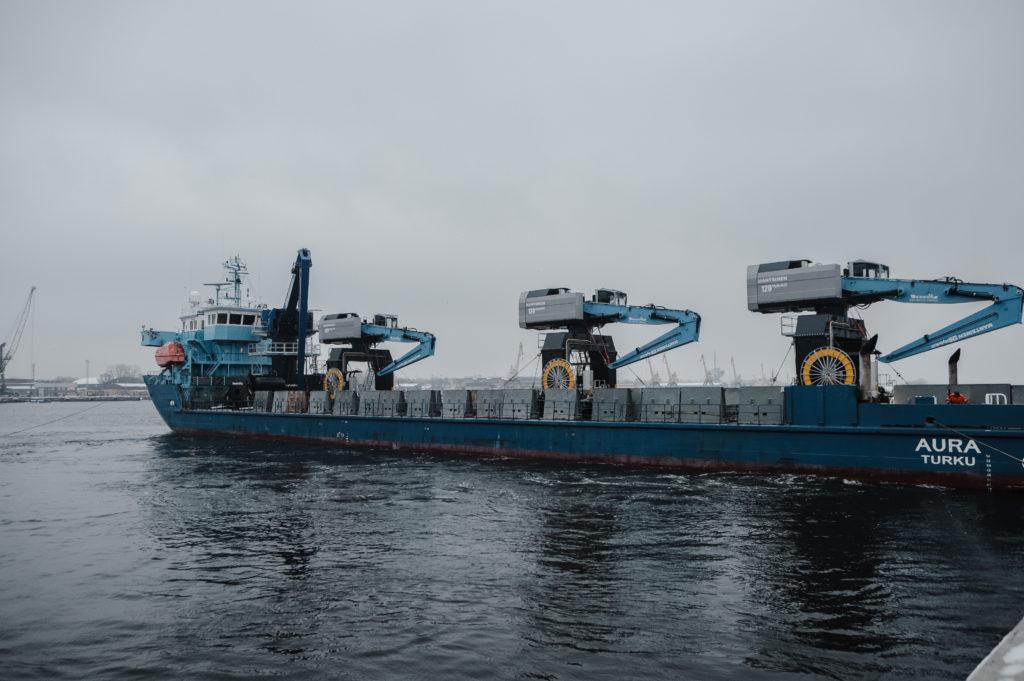
For hydraulic material handlers used in demanding applications specifically, the depth of sensor data matters enormously. A large machine like the Mantsinen 300 operates under demanding conditions in ports, timber terminals, and steel industry facilities, where hydraulic systems, boom movements, and drivetrain components are under constant stress. Telematics captures granular signals from these systems, not just surface-level alerts, so that both the operator on-site and the technical team back at the factory have access to the same accurate, up-to-date information about the machine’s condition.
Beyond mechanical data, modern telematics systems also log environmental and operational context. Shift patterns, site conditions, and load weights all influence wear rates. When this context is layered on top of raw sensor data, the resulting picture is far more actionable than any single metric alone.
How does telematics enable predictive maintenance on material handlers?
Telematics enables predictive maintenance on material handlers by continuously monitoring component performance and flagging deviations from normal operating parameters before they cause failure. Instead of scheduling service based on fixed time intervals, the machine itself signals when attention is genuinely needed, based on actual usage and wear rather than a calendar.
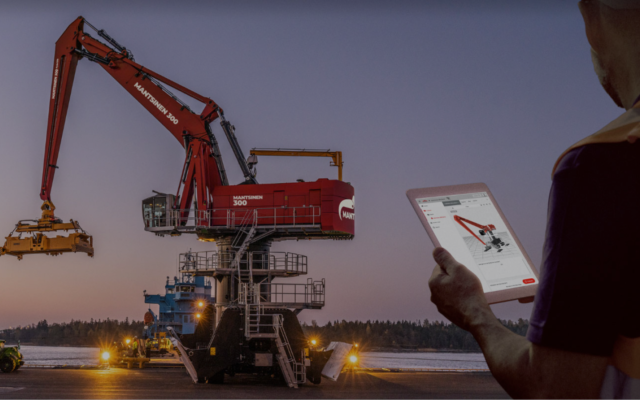
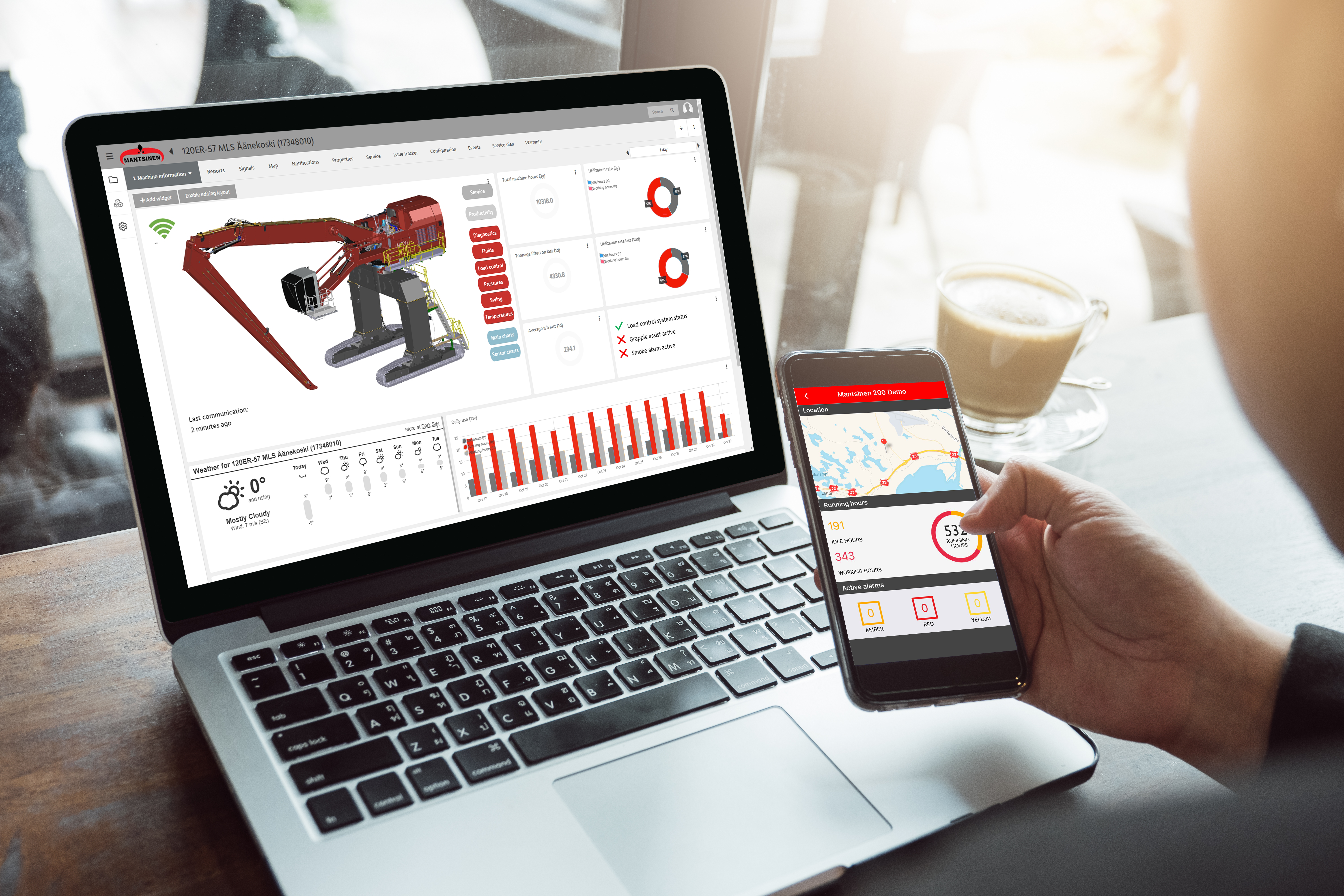
Our Mantsinen Insight telematics system, for example, can be configured to automatically notify the operator or owner when a service interval is approaching. This removes the guesswork from maintenance scheduling and ensures that nothing slips through the cracks during high-demand periods when machines are running around the clock. When maintenance is carried out at the right time by one of our qualified dealer network partners, the operational reliability and predictability of the machine improve significantly.
Predictive maintenance also reduces the cost and disruption of unplanned downtime. A hydraulic material handler sitting idle at a port terminal does not just lose productivity for the hour it is offline. It can delay an entire cargo operation, create cascading schedule problems, and generate urgent repair costs that are far higher than a planned service visit would have been.
What’s the difference between telematics and traditional fleet monitoring?
Traditional fleet monitoring is largely reactive and manual. It relies on operators reporting problems, technicians conducting scheduled inspections, and service records that may be incomplete or out of date. Telematics, by contrast, is continuous, automated, and proactive. Data flows from the machine to a connected platform in real time, without requiring human input at each step.
The practical difference shows up most clearly in response time. With traditional monitoring, a developing hydraulic fault might go unnoticed until it causes a breakdown. With a telematics system, the same fault generates an alert the moment sensor readings move outside acceptable ranges, giving the service team time to intervene before the machine stops working.
There is also a significant difference in the quality of remote support. Mantsinen Insight provides a direct connection that allows our factory technical customer service team to troubleshoot most issues remotely. When a local service team is on-site, our specialists can establish a live connection to the machine and provide real-time guidance, dramatically shortening problem resolution time. Traditional monitoring simply cannot offer that kind of remote diagnostic capability.
How much downtime can telematics realistically reduce for material handlers?
Telematics can realistically reduce unplanned downtime for material handlers by a meaningful margin, though the exact figure depends on existing maintenance practices, machine age, operating environment, and how actively the telematics data is used. Operations that shift from purely reactive maintenance to data-driven predictive maintenance consistently see fewer emergency breakdowns and shorter repair windows when issues do occur.
The gains come from several directions at once. Fewer surprise failures mean fewer emergency part orders and less waiting for technicians to travel to the site. Remote diagnostics reduce the time spent identifying the root cause of a problem. And automated service reminders mean that routine maintenance does not get postponed during busy periods, which is one of the most common causes of avoidable breakdowns in port and terminal environments.
For material handling equipment operating in high-throughput settings, even a modest reduction in unplanned stops translates into substantial gains in throughput and cost efficiency. The value of uptime in a busy port is not just the machine’s output. It is the entire downstream operation that depends on it running reliably.
Which telematics features matter most for port and terminal operations?
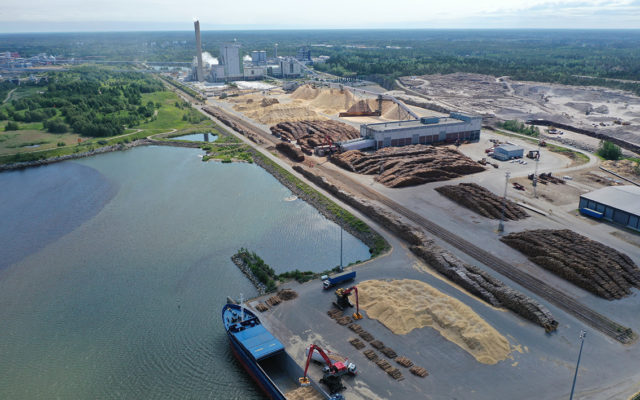
For port and terminal operations, the telematics features that matter most are remote diagnostics, automated service alerts, real-time fault monitoring, and load cycle tracking. These capabilities address the specific pressures of high-intensity, continuous-operation environments where material handlers work long shifts, handle heavy and variable loads, and cannot afford extended downtime.
- Remote diagnostics: The ability for factory technical specialists to connect directly to the machine and support local service teams in real time is especially valuable in ports where specialist technicians may not be immediately available on-site.
- Automated service notifications: In busy operations, service intervals are easily missed. Automatic alerts tied to actual machine usage rather than fixed schedules keep maintenance on track without relying on manual record-keeping.
- Real-time fault alerts: Immediate notification of error codes or abnormal sensor readings allows operators and service teams to respond before a minor issue becomes a major failure.
- Load and cycle data: Understanding how hard the machine is working over time helps operations teams plan maintenance more accurately and identify whether a machine is being pushed beyond its optimal operating range.
Ports and terminals also benefit from GPS tracking and shift-based reporting, which help fleet managers understand how machines are being deployed across a site and where efficiency improvements are possible.
How does telematics data improve operator performance over time?
Telematics data improves operator performance over time by making behavior visible and measurable. When operators can see metrics like idle time, cycle efficiency, and load handling patterns, they gain objective feedback that is difficult to provide through observation alone. Over time, this visibility supports better habits and more consistent machine use.
For hydraulic material handlers, how a machine is operated has a direct impact on wear rates and energy consumption. Aggressive hydraulic inputs, excessive idling, and suboptimal load cycles all increase stress on components and raise fuel or electricity costs. Telematics data makes these patterns visible to fleet managers and supervisors, creating the foundation for targeted coaching and training.
The long-term effect is a workforce that operates more efficiently and a fleet that experiences less wear-related degradation over its service life. When telematics data is reviewed regularly and shared constructively with operators, it becomes a tool for continuous improvement rather than simply a record of past activity. Combined with well-maintained material handling equipment and a strong service network, it is one of the most effective ways to extend machine life and protect uptime across an entire operation.