How do you improve bulk material handling efficiency at a wood terminal?
You can improve bulk material handling efficiency at a wood terminal by combining the right machine size and reach with energy recovery systems, smart power selection, and well-trained operators backed by disciplined maintenance routines. The biggest gains come not from any single upgrade but from treating the terminal as an interconnected system where every element, from equipment specs to daily upkeep, affects overall throughput. The sections below break down each of the key questions terminal operators ask when trying to push performance further.
What are the biggest bottlenecks in wood terminal material handling?
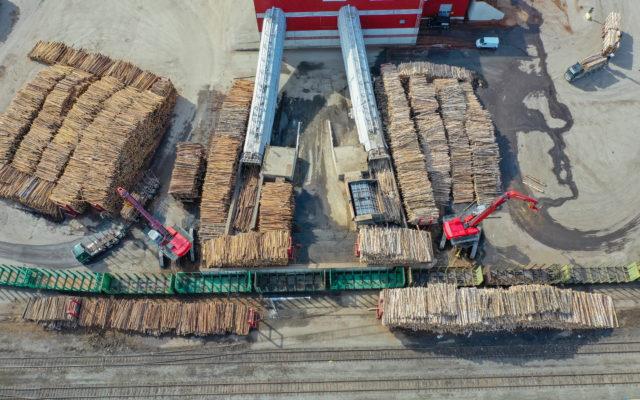
The most common bottlenecks in wood terminal material handling are machine downtime, poor cycle times caused by undersized equipment, and inefficient traffic flow between storage piles and loading points. When any one of these constraints goes unaddressed, it creates a ripple effect that slows the entire operation and drives up the cost per ton handled.
Downtime is often the most damaging bottleneck because it is unpredictable. A hydraulic material handler sitting idle during a vessel loading window can mean missed delivery schedules and penalty costs. Cycle time problems are subtler but equally costly: a machine that takes two extra seconds per grab across thousands of lifts per shift adds up to significant lost capacity over a year. Traffic flow issues, where trucks or conveyor systems cannot keep pace with the handler, create artificial pauses that chip away at throughput even when the machine itself is performing well.
Addressing these bottlenecks requires an honest audit of where time is actually lost during a shift, not just where it is most visible. Many terminals discover that their biggest inefficiency is not the machine itself but the process surrounding it.
How does machine size and reach affect bulk handling throughput?
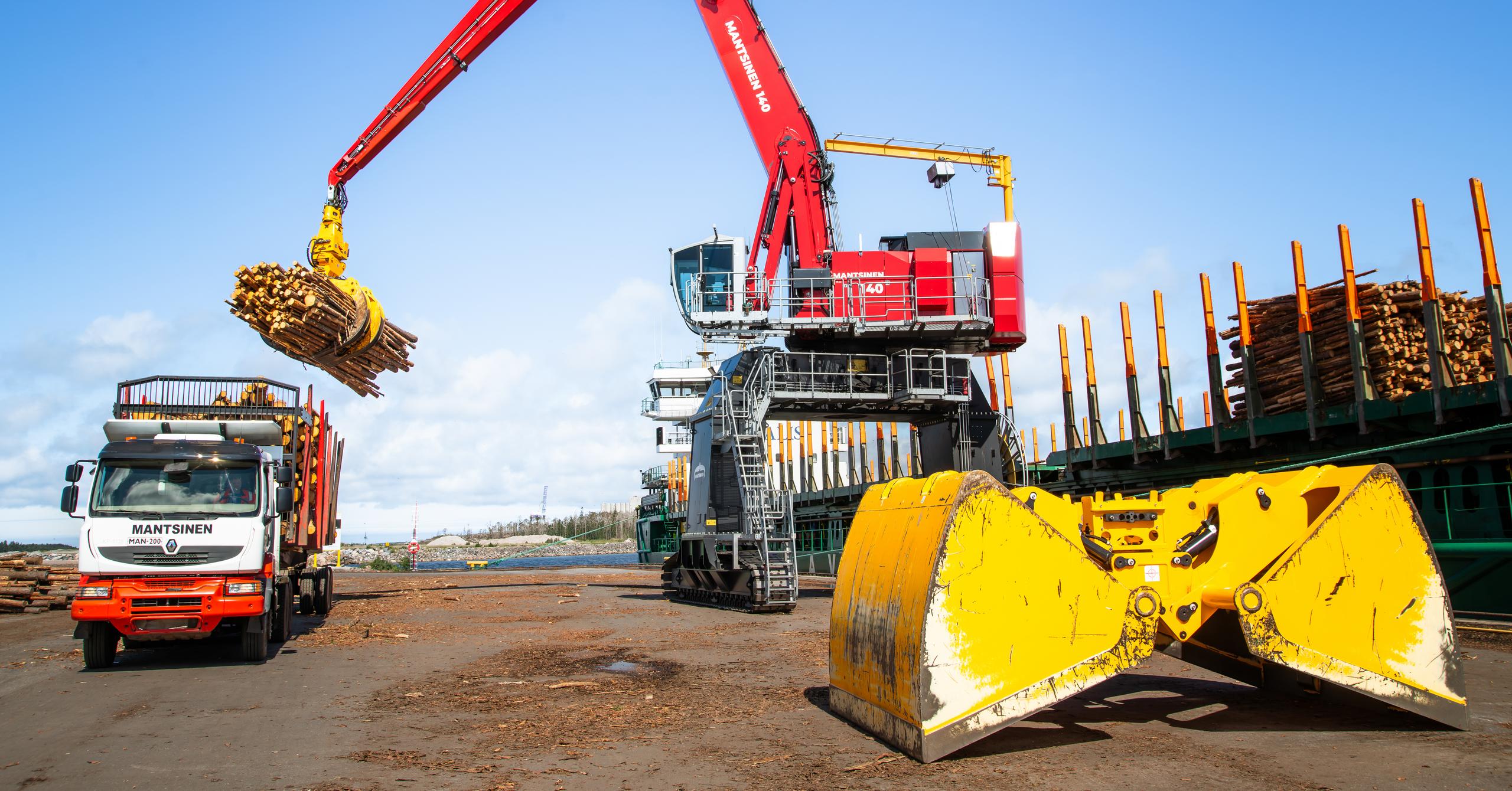
Machine size and reach directly determine how much material a hydraulic material handler can move per cycle and how far it can place or retrieve material without repositioning. A larger machine with greater reach reduces the number of moves needed to cover a pile, cuts repositioning time, and allows operators to work larger storage areas from a single position, all of which compound into meaningfully higher throughput.
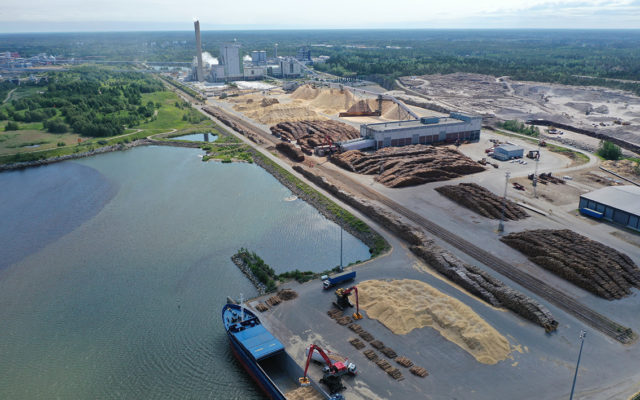
For wood terminal operations specifically, reach matters because timber and chip piles are often spread across wide footprints. A handler with limited reach forces frequent repositioning, which burns time and fuel. A machine sized correctly for the terminal layout can work an entire pile section without moving, keeping cycles tight and predictable.
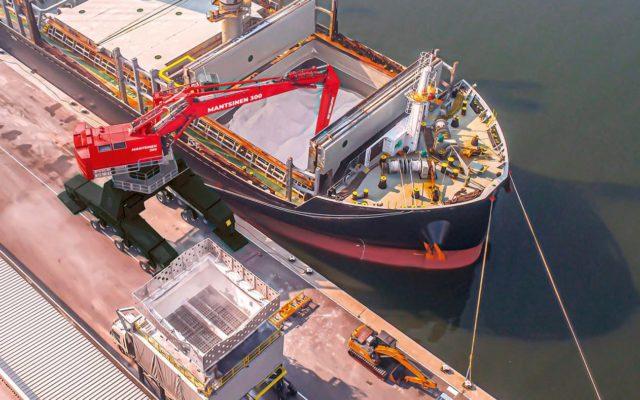
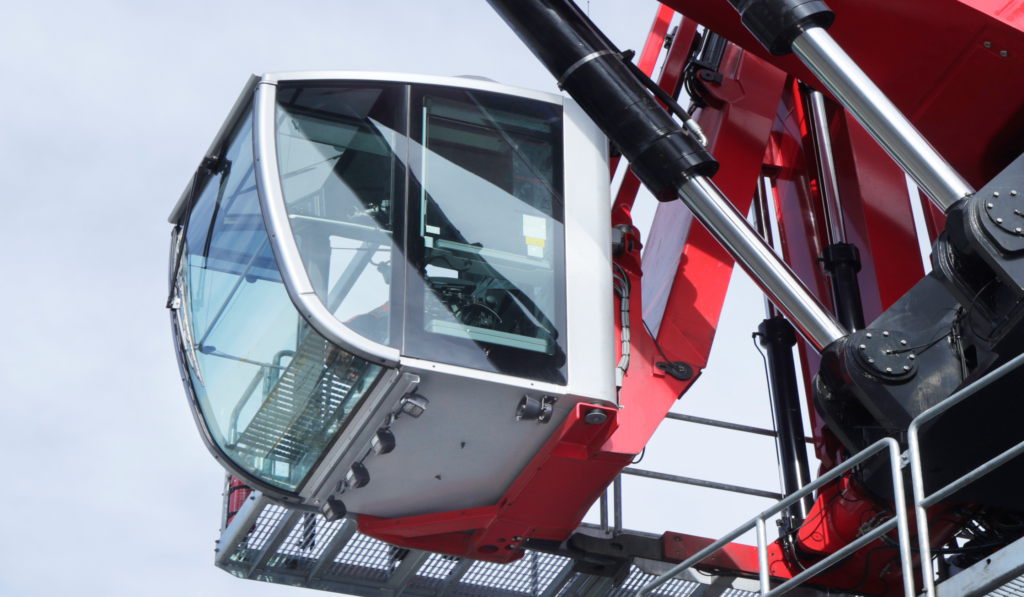
Our largest hydraulic material handler for wood terminals, the Mantsinen 300, is the world’s biggest machine of its type and was designed precisely for high-volume terminals where throughput targets are demanding. Matching machine size to the actual volume requirements of the terminal, rather than defaulting to a smaller machine to save upfront cost, is one of the highest-leverage decisions a terminal operator can make.
What role does energy recovery technology play in handling efficiency?
Energy recovery technology improves wood terminal handling efficiency by capturing energy generated during boom movements and feeding it back into the machine’s power system, reducing fuel consumption and operating costs without sacrificing performance. In high-cycle applications like wood terminals, the savings accumulate rapidly across a full operating shift.
Our Mantsinen Hybrilift® system was developed specifically to address the energy waste inherent in heavy-lift hydraulic machines. When a loaded boom lowers, the system recovers the energy from that movement rather than dissipating it as heat, and that recovered energy is reused on the next lift cycle. The result is energy consumption reductions of up to 50% compared to conventional hydraulic systems.
Beyond the direct cost savings, energy recovery also reduces the heat load on the hydraulic system, which can extend component life and reduce cooling requirements. For terminals operating in warmer climates or running extended shifts, this secondary benefit is a meaningful addition to the efficiency case.
Should a wood terminal use electric, diesel, or dual-power machines?
The right power source for a wood terminal depends on the availability of grid power at the site, the need for machine mobility across the terminal, and local energy costs and emissions regulations. Electric machines offer the lowest operating cost where grid power is reliable; diesel provides maximum flexibility; and dual-power machines deliver the best of both where conditions are mixed.
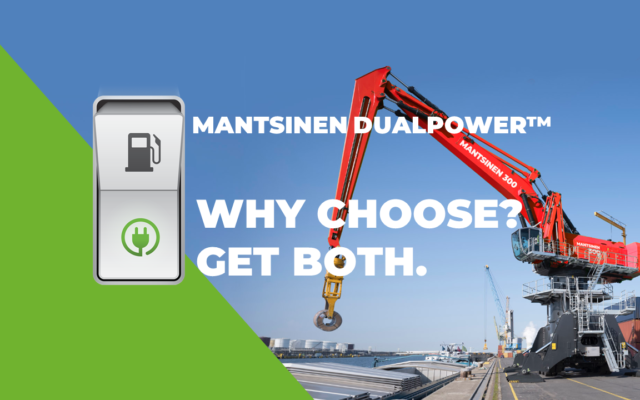
Our Mantsinen DualPower concept was developed to solve exactly this dilemma. It combines an electric motor and a diesel engine in a single machine, allowing the operator to run on electric power when connected to the grid and switch to diesel when working in areas without power access. This eliminates the need to choose between cost efficiency and operational flexibility.
For terminals that are expanding or where grid infrastructure is being upgraded, dual-power machines are particularly practical because they do not lock the terminal into a single power strategy. As grid access improves, the machine simply shifts toward electric operation, reducing emissions and energy costs progressively over time.
How does operator experience influence material handling performance?
Operator experience has a direct and measurable impact on material handling performance at a wood terminal. Skilled operators achieve faster cycle times, handle material more precisely with less spillage, and put less unnecessary stress on the machine, all of which translate into higher throughput and lower maintenance costs.
The difference between a novice and an experienced operator on the same machine can be significant in terms of cycles per hour. An experienced operator reads the pile, anticipates the grab, and sequences movements efficiently. A less experienced operator may hesitate, over-correct, or use more hydraulic force than needed, slowing each cycle and adding wear to components.
Training programs that combine simulator time with supervised on-machine hours produce the fastest skill development. Operators who understand the machine’s energy recovery systems, like Hybrilift, also tend to operate in ways that maximize those systems’ effectiveness, creating a feedback loop between operator skill and machine efficiency. Regular performance reviews and cycle time benchmarking give operators concrete targets to work toward and help supervisors identify where coaching will have the most impact.
What maintenance practices keep wood terminal machines running at peak efficiency?
The maintenance practices that most reliably keep wood terminal material handling machines running at peak efficiency are daily operator inspections, scheduled hydraulic system servicing, proactive wear part replacement, and structured condition monitoring. Together, these practices prevent unplanned downtime and maintain the performance consistency that high-throughput terminals depend on.
Preventive maintenance routines
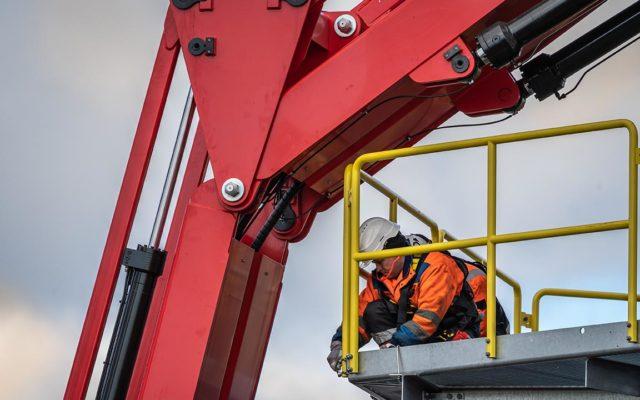
Daily pre-shift checks by the operator, covering hydraulic fluid levels, hose condition, grab wear, and structural fasteners, catch the majority of developing issues before they become failures. These checks take only a few minutes but significantly reduce the risk of mid-shift breakdowns. Scheduled servicing intervals for hydraulic oil, filters, and seals should follow the manufacturer’s recommendations and be adjusted based on actual operating hours rather than calendar time alone, since wood terminals often run machines harder than average.
Condition monitoring and parts management
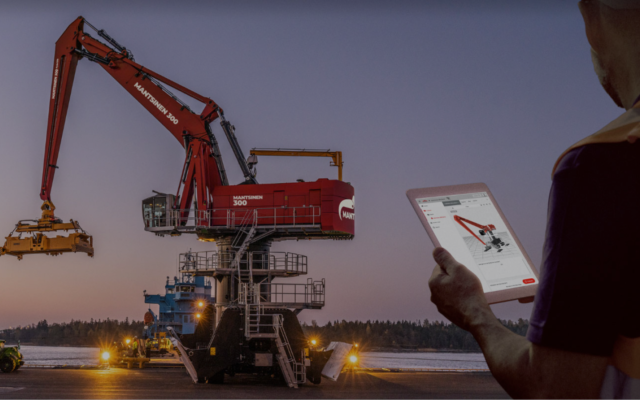
Modern hydraulic material handlers generate operational data that can be used to track performance trends over time. Monitoring parameters like hydraulic pressure, cycle times, and fuel consumption helps maintenance teams identify when a machine is beginning to underperform before a failure occurs. Keeping a stock of high-wear parts such as grab teeth, seal kits, and hydraulic hoses on site eliminates the delays that occur when a part must be ordered after a breakdown. The combination of data-driven monitoring and smart parts inventory is what separates terminals with consistently high uptime from those that manage maintenance reactively. Learn more about our company and engineering expertise behind these solutions.