What equipment is used for breakbulk cargo handling?
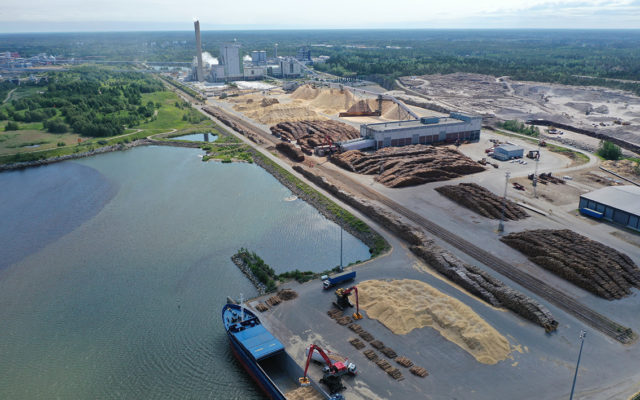
Breakbulk cargo handling is one of the most demanding and varied challenges in modern port logistics. Unlike containerized freight, breakbulk goods arrive in a wide range of shapes, sizes, and weights, requiring port operators to deploy the right combination of equipment, expertise, and technology to keep operations moving efficiently. Understanding what equipment is used and how it performs can make a significant difference to throughput, safety, and operating costs at any terminal.
Whether you manage a midsize regional port or a large international terminal, the questions below cover the core knowledge you need to evaluate your breakbulk cargo equipment options, compare handling technologies, and make informed investment decisions. We have structured this article to give you direct, practical answers to the questions that port operators and logistics decision-makers ask most often.
What is breakbulk cargo, and how is it different from bulk cargo?
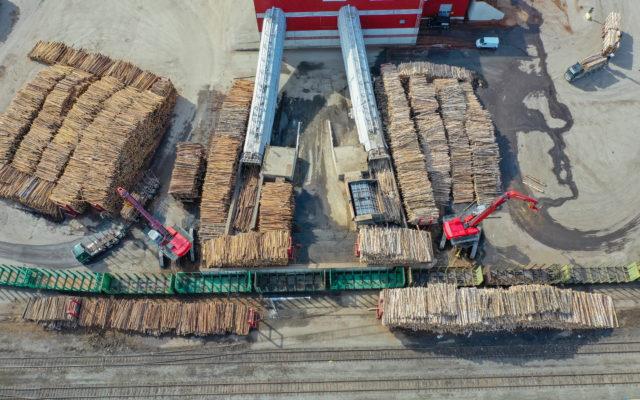
Breakbulk cargo refers to goods that are loaded and unloaded as individual units rather than in loose, unpackaged form or inside a container. Common examples include steel coils, wire rods, timber, bagged fertilizer, machinery, and project cargo. Each unit is handled separately, which distinguishes breakbulk from bulk cargo such as grain, coal, or wood chips that are poured, scooped, or conveyed in large, undifferentiated volumes.
The practical difference matters enormously when planning terminal operations. Bulk cargo handling equipment is optimized for high-volume throughput using grabs and clamshell buckets that move material by the tonne in continuous cycles. Breakbulk cargo handling, by contrast, demands precision, flexibility, and the ability to switch quickly between different cargo types and attachment configurations. A terminal that handles both categories needs equipment capable of meeting these two demands without sacrificing efficiency in either mode.
The distinction also affects how cargo is stored, documented, and moved within the terminal. Breakbulk goods typically require careful stacking, specialized lifting attachments, and closer operator attention to avoid damage. This is why the choice of breakbulk cargo equipment has such a direct impact on both productivity and cargo integrity.
What equipment is used for breakbulk cargo handling?
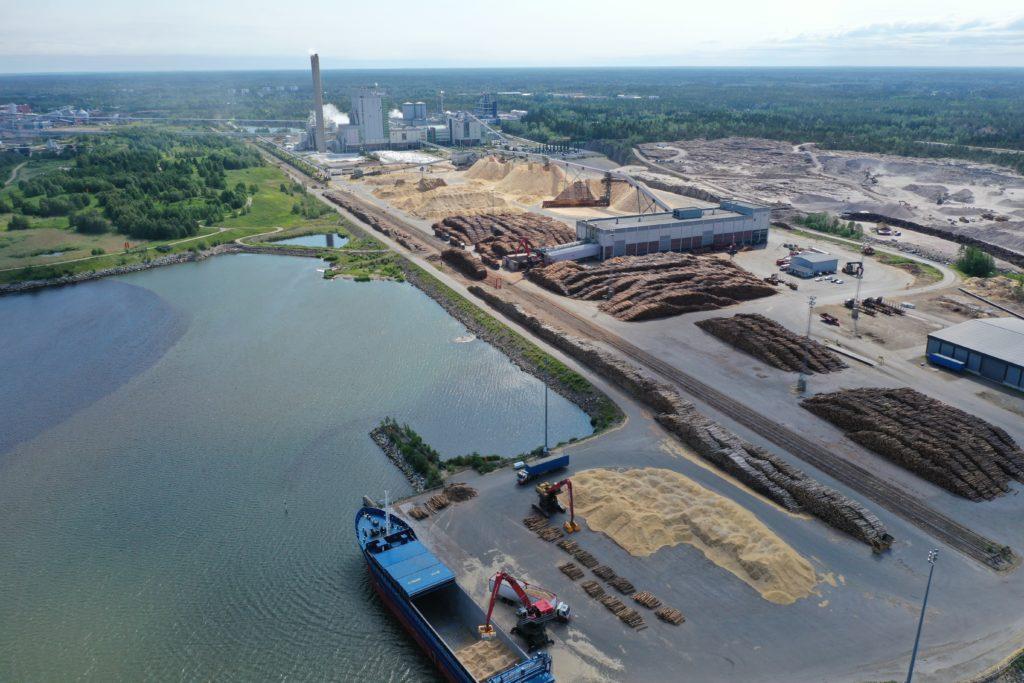
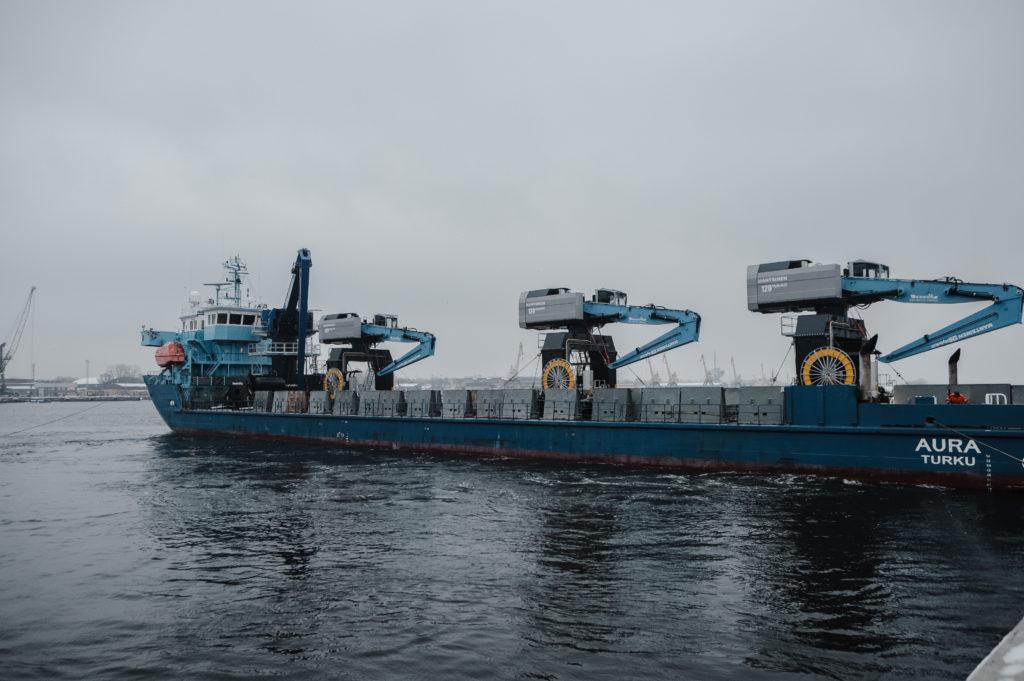
Breakbulk cargo handling relies on hydraulic material handlers, harbour cranes, and a range of purpose-built attachments, including spreaders, grabs, and specialized lifting tools. The most versatile option for modern breakbulk terminals is the hydraulic material handler, which can be fitted with different attachments to handle steel products, timber, containers, and general cargo with the same machine.
Hydraulic material handlers
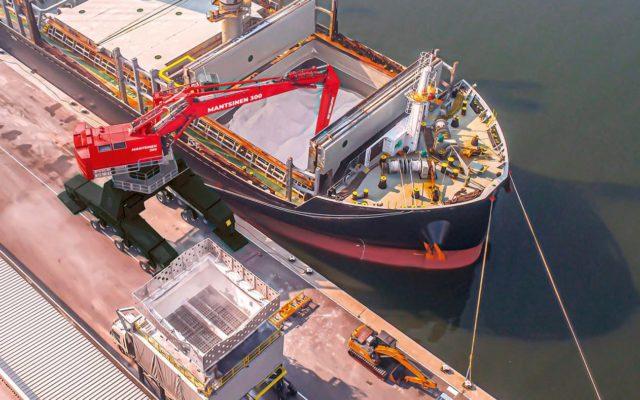
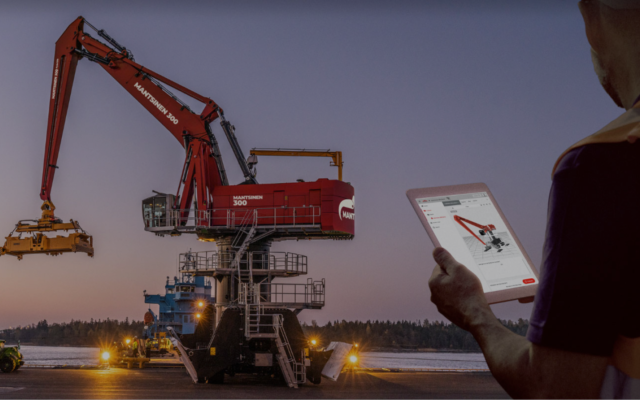
Hydraulic material handlers are purpose-built port machines that combine reach, lifting capacity, and attachment flexibility in a single platform. Machines like the Mantsinen 120, 160, 200, and 300 are designed specifically for port and terminal environments where operators need to switch between cargo types throughout a working shift. Their hydraulic systems deliver precise control, which is essential when handling high-value or fragile breakbulk goods.
Attachments for different cargo types
The right attachment transforms a hydraulic material handler into a specialist tool for each cargo category. For breakbulk cargo handling, the most commonly used attachments include:
- Spreaders for lifting 20-foot and 40-foot containers, available in fixed and adjustable configurations
- Steel product attachments for wire coils, steel coils, plates, and beams, designed to prevent surface damage during handling
- Scrap grabs with four to six tines in open, semi-open, or closed configurations for recycled metal and mixed cargo
- Clamshell buckets for transitioning to bulk materials such as grain, wood chips, or fertilizer when the cargo mix demands it
- Quick-coupler systems that allow operators to change attachments safely and efficiently without lengthy downtime
The availability of multiple quick-coupler options is a significant operational advantage in breakbulk terminals where cargo variety is high and turnaround time is critical.
How does a hydraulic material handler work in a port environment?
A hydraulic material handler works by using a high-pressure hydraulic system to power a boom, stick, and attachment that can lift, rotate, and precisely place cargo. In a port environment, the machine is typically mounted on a fixed pedestal or a rail-mounted base, giving it the reach and stability needed to work directly over vessel holds or alongside quay edges.
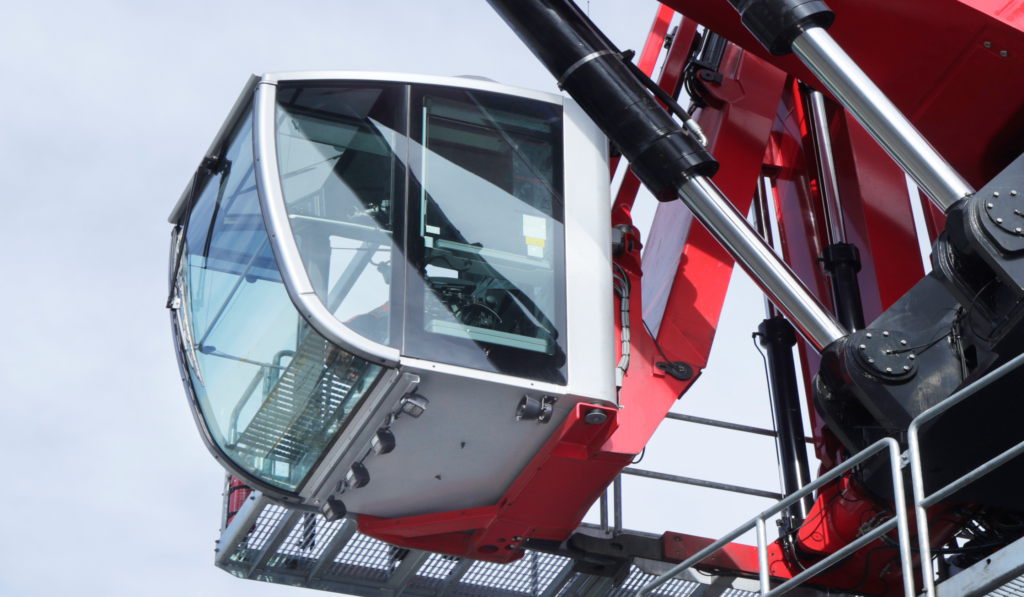
The operator controls the machine from an elevated cabin, which provides a clear sightline into vessel holds and across the working area. Hydraulic systems respond quickly and smoothly to operator inputs, making it possible to handle heavy or awkward breakbulk items with a level of control that cable-operated cranes struggle to match. The combination of boom geometry and hydraulic precision allows operators to work deep inside a ship’s hold, reposition cargo within the vessel, and place loads accurately on quayside transport without repeatedly repositioning the machine.
In port environments where multiple cargo types arrive on the same vessel, the ability to change attachments quickly is a major productivity factor. A hydraulic material handler can switch from handling steel coils with a specialized attachment to lifting containers with a spreader within minutes, keeping turnaround times tight and vessel dwell times short.
What’s the difference between a harbour crane and a hydraulic material handler?
The key difference is that a traditional cable harbour crane lifts loads using wire ropes and a hook, while a hydraulic material handler uses a hydraulic boom-and-arm system combined with purpose-built attachments. Hydraulic material handlers offer significantly greater versatility, faster work cycles, and better control for breakbulk and bulk cargo, while traditional cable cranes are more limited in attachment options and operational speed.
In practical terms, handling capacity with a hydraulic material handler can more than double compared to a traditional cable crane in many port applications. This is because hydraulic systems allow for faster cycle times, more precise load placement, and the ability to use optimized attachments for each cargo type rather than relying on a generic hook-and-sling approach.
Cable harbour cranes still have a place in some terminal configurations, particularly for very heavy-lift project cargo. However, for the day-to-day reality of breakbulk terminal operations—where operators handle a mix of steel products, timber, bagged goods, and containers across multiple shifts—the hydraulic material handler delivers superior productivity, lower cargo-damage rates, and better operator ergonomics. The elevated, spacious cabin design and advanced load-control systems found on modern hydraulic handlers also contribute to safer working conditions than older crane technologies.
How can breakbulk terminals reduce energy costs in cargo handling?
Breakbulk terminals can reduce energy costs in cargo handling by investing in machines equipped with energy-recovery systems, hybrid power configurations, and intelligent load-management technology. These features capture and reuse energy that traditional machines waste, cutting fuel consumption and electricity costs without reducing productivity.
Energy-recovery technology works by capturing the kinetic energy generated when the machine’s boom descends and converting it into usable power for the next lifting cycle. Our Hybrilift® energy-recovery system, which we have been developing and refining since 2006, reduces energy consumption and costs by up to 50% by reusing the energy generated by boom movements. This technology is particularly effective in breakbulk and bulk cargo handling operations where the machine performs hundreds of lift-and-lower cycles per shift.
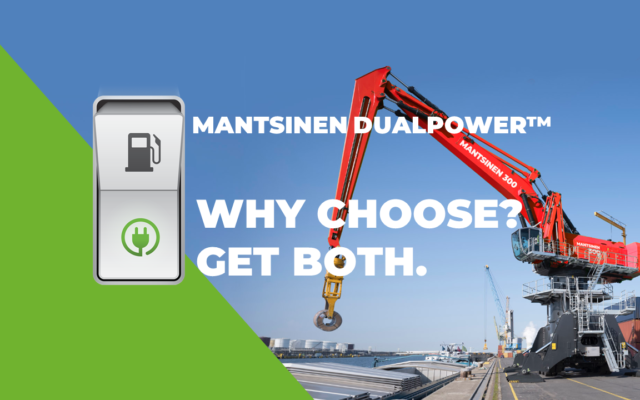
Dual-power configurations offer another route to lower operating costs. A machine that can run on either an electric motor or a diesel engine gives terminal operators the flexibility to use grid electricity when it is available and affordable, while retaining the mobility of diesel power when needed. This approach reduces both fuel costs and emissions, helping terminals meet increasingly strict environmental regulations without compromising operational flexibility.
Beyond the machine itself, layout optimization and minimizing unnecessary machine travel also contribute to energy efficiency. Matching machine size to the actual cargo volumes handled prevents operators from running oversized equipment at low utilization, which wastes energy and increases wear costs.
What should port operators look for when choosing breakbulk handling equipment?
Port operators choosing breakbulk handling equipment should prioritize attachment versatility, lifting capacity matched to their cargo mix, energy-efficiency technology, machine reliability, and access to local service and maintenance support. Getting these factors right determines the total cost of ownership over the machine’s working life, not just the purchase price.
Attachment versatility is the first consideration for any breakbulk terminal. A machine that can handle containers, steel products, timber, and bulk materials with quick attachment changes gives operators the flexibility to respond to changing cargo demands without investing in multiple specialized machines. Checking that the manufacturer offers a comprehensive attachment portfolio and quick-coupler options is an essential part of the evaluation process.
Reliability and uptime are equally critical. Breakbulk operations run to tight vessel schedules, and machine downtime directly translates into demurrage costs and customer dissatisfaction. Operators should evaluate the manufacturer’s track record, the availability of spare parts, and the quality of local service support before committing to a purchase.
Energy-efficiency technology should also feature prominently in any equipment comparison. Machines equipped with energy-recovery and hybrid power systems deliver lower operating costs over their working life, which can far outweigh any difference in initial purchase price. Finally, operators should consider whether the manufacturer has direct operational experience with the type of equipment they sell, as this translates into more practical machine design and more relevant advice on layout, dimensioning, and logistics-flow optimization. To discuss specific equipment requirements for your terminal, contact our equipment sales team for tailored guidance.