How energy-efficient are electric material handlers compared to diesel?
Electric material handlers consume significantly less energy than diesel equivalents, with well-designed electric systems capable of reducing energy costs by up to 50% compared to conventional diesel machines. The savings are most pronounced in high-cycle port and terminal operations where machines run continuously across long shifts. The sections below break down exactly where those savings come from, how running costs compare, and when making the switch makes practical sense for a port operation.
How much energy do electric material handlers actually save?
Electric material handlers save a substantial amount of energy compared to diesel machines, particularly in operations involving frequent lifting and lowering cycles. In port and terminal environments, where a handler may complete hundreds of load cycles per shift, the energy recovery potential is significant. Well-engineered systems can reduce total energy consumption by as much as 50% compared to a conventional diesel handler performing the same tasks.
The core reason electric handlers are more efficient is the way they handle energy flows. A diesel engine burns fuel continuously regardless of whether the machine is actively working or idling. An electric handler, by contrast, can recover energy generated during boom lowering and deceleration, storing it for reuse on the next lift cycle. This regenerative capability turns what would otherwise be wasted heat into productive work.
Our Mantsinen Hybrilift® system was developed specifically to capture this opportunity. Hybrilift® captures the energy generated as the boom is lowered and feeds it back into the machine’s power supply for use in subsequent boom lifting cycles, reducing the total draw on the primary power source. In high-throughput bulk handling environments, such as wood chip terminals or scrap metal yards, this adds up to measurable reductions in energy consumption over the course of a full operating day.
What are the running cost differences between electric and diesel handlers?
Running costs for electric material handlers are consistently lower than for diesel machines, primarily because electricity is cheaper per unit of energy than diesel fuel in most markets, and because electric drivetrains have fewer mechanical components that wear out and require replacement. Over a multi-year operating period, the total cost of ownership for an electric handler is typically lower than for an equivalent diesel machine, even accounting for a higher initial purchase price.
Diesel costs are also more volatile. Fuel prices fluctuate with global commodity markets, making it difficult to forecast operating budgets with precision. Electricity pricing, while not static, tends to be more stable and more predictable, especially for operations connected to a fixed grid supply. For port and terminal operators handling bulk materials managing tight margins across large volumes of material, that predictability has real financial value.
Maintenance is another area where electric handlers tend to outperform diesel. Diesel engines require regular oil changes, filter replacements, exhaust system servicing, and periodic overhauls of fuel injection systems. Electric motors and advanced drivetrains have fewer moving parts subject to wear, which reduces both planned maintenance intervals and unplanned downtime. For an operation running two or three shifts per day, reduced downtime translates directly into higher throughput and a better return on the machine investment.
How do material handlers with energy recovery work in port and terminal operations?
Material handlers equipped with energy recovery systems combine multiple power sources, typically an electric motor and a diesel engine, to deliver the best characteristics of both systems. The electric motor handles high-demand lifting cycles and can recover energy during lowering, while the diesel engine provides the mobility and independence from fixed infrastructure that many port and terminal operations require. The result is a machine that is more fuel-efficient and lower in emissions than a pure diesel handler, while remaining fully operational in locations without grid power access.
In a typical port or terminal workflow, a handler cycles through phases of heavy lifting, slewing, traveling, and lowering. During lifting, the electric motor draws from stored energy or the diesel generator. During lowering and deceleration, the system captures that energy and stores it for the next cycle. This continuous loop of energy capture and reuse is what makes these machines so effective in bulk material handling, where the repetitive nature of the work creates consistent opportunities for recovery.
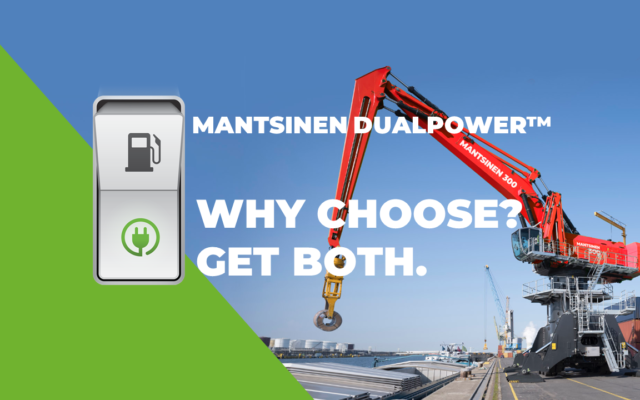
Our Mantsinen DualPower concept takes this further by engineering the integration of the electric motor and diesel engine so that each power source operates within its optimal range. Rather than simply pairing two power sources, DualPower is designed so the diesel engine runs at its most efficient load point while the electric system handles the peaks and recovers the surpluses. This approach maximizes the benefit of both technologies without compromising on the lifting capacity or productivity that port operators depend on.
What environmental and emissions benefits do electric handlers offer?
Electric material handlers produce zero direct exhaust emissions at the point of operation, which makes them a practical solution for ports and terminals facing tightening environmental regulations. When powered from a renewable electricity source, the overall carbon footprint of the machine across its operating life can be dramatically lower than that of a diesel equivalent. Even when grid electricity includes some fossil fuel generation, the efficiency gains of electric drivetrains typically result in lower total emissions than direct diesel combustion.
Beyond carbon dioxide, diesel engines produce nitrogen oxides and particulate matter that are subject to increasingly strict limits in many European ports and industrial zones. Electric handlers reduce or eliminate these pollutants at the point of use, which helps operators comply with local air quality regulations and avoid the costs associated with non-compliance, including fines and operational restrictions.
Noise is another environmental factor that is often underestimated. Electric motors operate significantly more quietly than diesel engines, which matters in ports located near residential areas or in terminals where noise regulations apply during night shifts. Lower noise levels also contribute to a better working environment for operators and ground staff, which has a direct bearing on safety and long-term workforce well-being.
When does switching to electric make sense for a port operation?
Switching to electric material handlers makes the most sense when a port or terminal operates machines intensively across multiple shifts, has access to a reliable grid power supply, and faces pressure to reduce fuel costs or meet emissions targets. The higher the utilization rate of the machine, the faster the energy savings offset any additional upfront investment, and the stronger the financial case for making the transition.
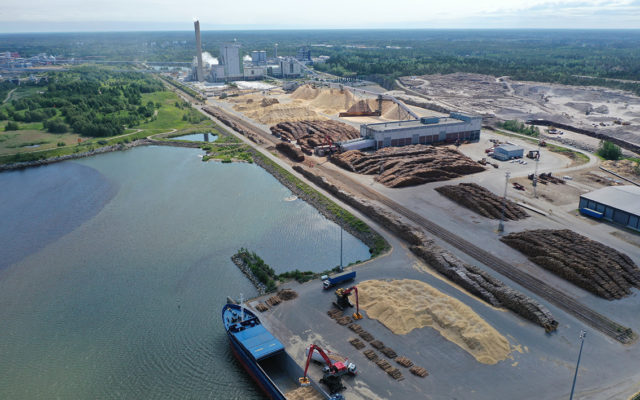
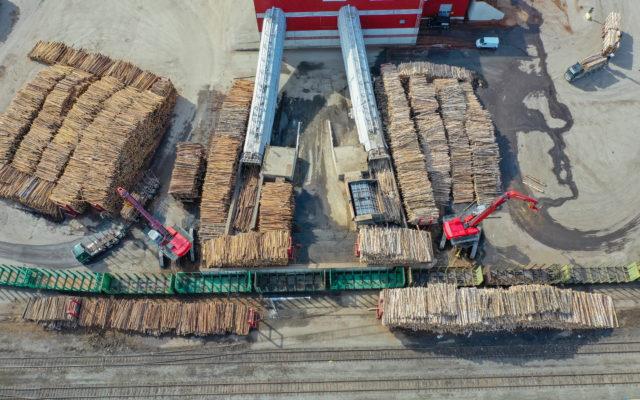
Operations handling bulk materials with highly repetitive cycle patterns, such as wood chip terminals, grain handling facilities, or scrap metal yards, are particularly well suited to energy recovery technology because systems such as Hybrilift® deliver their greatest benefit when lifting and lowering cycles are frequent and consistent. A machine that lifts and lowers hundreds of times per shift generates far more recoverable energy than one used sporadically.
Grid connectivity is a practical consideration that shapes the decision. A fully electric handler requires a stable power connection, which may involve infrastructure investment if the terminal does not already have suitable electrical capacity. A handler built around the DualPower concept removes this constraint by retaining diesel capability as a backup or primary mover, making it a viable option for terminals in transition or those operating across multiple locations with varying infrastructure.
Regulatory timelines are also worth factoring in. Many European ports are already subject to emissions limits, and regulatory pressure is expected to intensify through 2026 and beyond. Operators who invest in electric equipment now are better positioned to meet future requirements without being forced into reactive, disruptive equipment changes. Planning the transition proactively, rather than waiting for regulation to mandate it, gives operators more control over timing, budget, and operational continuity. To explore how Mantsinen supports this process, visit our equipment and maintenance services page.