What are the most common bottlenecks in port material handling operations?
The most common bottlenecks in port material handling operations are equipment breakdowns, internal traffic congestion, poor bulk material segregation, energy inefficiency, inconsistent operator skill levels, and inadequate performance measurement systems. These bottlenecks rarely occur in isolation — one constraint tends to trigger others, creating a chain reaction that reduces throughput and increases operating costs across the entire terminal.
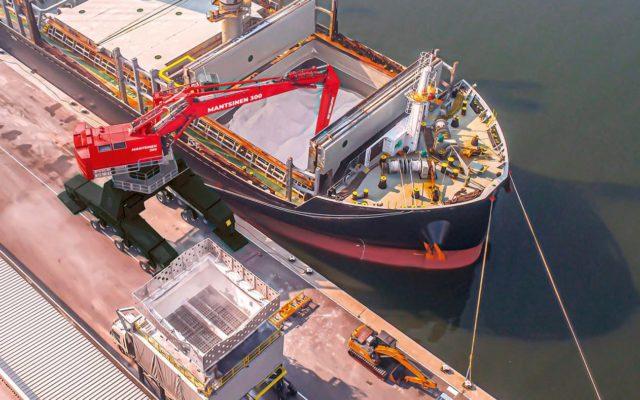
Port and terminal operators handling bulk materials such as wood chips, coal, scrap metal, and grain face particularly acute versions of these challenges, because the volumes involved leave almost no room for unplanned delays. Understanding where each bottleneck originates is the first step toward resolving it.
How do equipment breakdowns slow down port throughput?
Equipment breakdowns are the single most disruptive bottleneck in port material handling operations. When a harbour crane or material handler goes offline unexpectedly, the entire loading or unloading sequence stalls. Vessels wait at berth, trucks queue without being served, and downstream storage areas become congested — all while demurrage costs accumulate by the hour.
The root causes of unplanned downtime are usually predictable: deferred maintenance, operating machines beyond their design capacity, or running equipment in conditions for which it was not engineered. In high-cycle bulk handling environments, hydraulic systems, slewing rings, and grab mechanisms experience accelerated wear. Without structured preventive maintenance schedules and real-time condition monitoring, minor wear becomes a catastrophic failure.
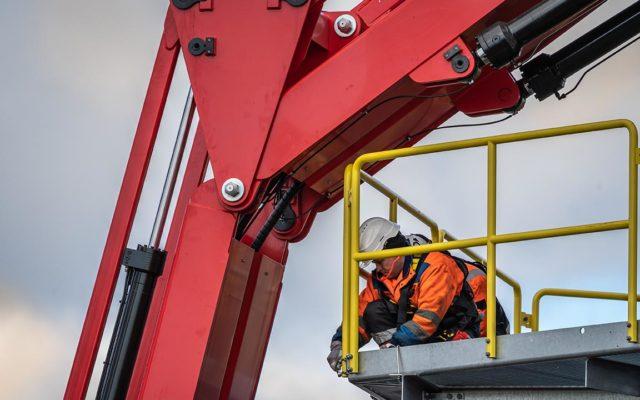
The financial impact extends well beyond the repair bill. A single unplanned outage during a vessel call can cost a terminal more in demurrage and missed slot fees than the maintenance intervention would have cost over an entire quarter. Mantsinen addresses this directly through preventive maintenance and timely service support for material handling equipment, ensuring that Mantsinen material handlers achieve maximum up-time. Periodic maintenance carried out through Mantsinen’s comprehensive dealer network significantly improves the operational reliability and predictability of each machine — protecting throughput and reducing the risk of costly unplanned outages.
What causes traffic congestion inside a port terminal?
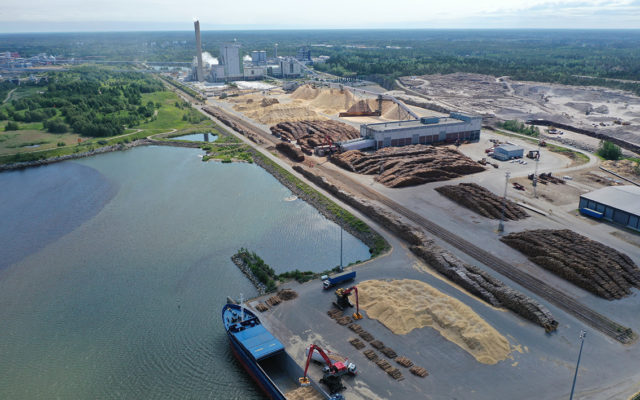
Traffic congestion inside a port terminal is caused by poor coordination between vessel operations, equipment movements, and truck or rail arrivals. When these flows are not synchronised, vehicles and machines compete for the same space at the same time, creating bottlenecks that reduce the effective handling rate even when individual pieces of equipment are performing well.
Common contributing factors include:
- Unscheduled truck arrivals that overwhelm gate capacity during peak periods
- Material handler positioning conflicts when multiple machines share a narrow working corridor
- Stockpile layouts that force equipment to travel excessive distances between pick-up and deposit points
- Insufficient turning space for large vehicles near active handling zones
Terminal layout planning and traffic management protocols are often underestimated as efficiency levers. A terminal that has invested in high-capacity machines but neglected internal logistics design will consistently underperform its theoretical capacity. Reviewing traffic flow patterns and adjusting stockpile positions, gate scheduling, and machine routing can deliver meaningful throughput gains without any capital expenditure on new equipment. Mantsinen can further support operators here by tailoring the shipping and delivery concept to the specific conditions of a terminal — taking into account the availability of offloading berths, space constraints, and operational requirements — to minimise disruptions from the very moment a machine arrives on site.
Why does bulk material segregation create handling delays?
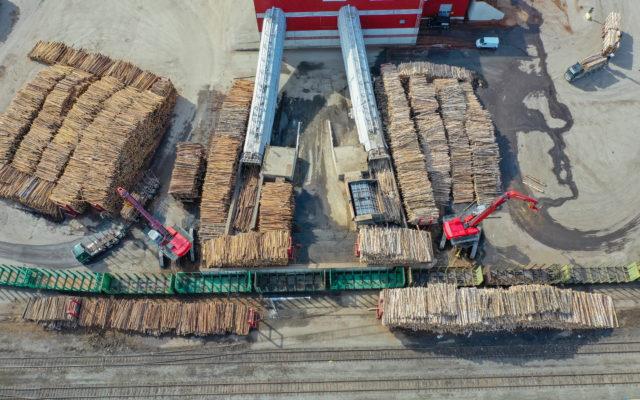
Bulk material segregation creates handling delays because different material grades, species, or qualities must be stored, moved, and loaded separately to preserve product value and meet customer or regulatory specifications. When a terminal handles multiple bulk material types simultaneously, the need to avoid cross-contamination adds complexity to every handling cycle.
In wood terminal operations, for example, different wood chip species or moisture content grades must be kept apart because mixing them degrades the fuel or pulp value of the entire batch. In grain and agricultural commodity handling, allergen or quality segregation requirements can be legally mandated. In scrap metal operations, alloy grades must not be combined before processing.
The practical consequence is that equipment must be repositioned or cleaned between material types, stockpile areas must be clearly demarcated, and grab or bucket attachments may need to be changed. Each of these steps consumes time. Terminals that handle a wide variety of bulk materials benefit from planning their equipment fleet and yard layout around segregation requirements from the outset, rather than adapting a general-purpose layout to meet product-specific constraints after the fact.
How does energy inefficiency affect port material handling operations?
Energy inefficiency in port material handling operations increases operating costs directly and can limit the number of productive cycles a machine completes per shift. Machines that consume more fuel or electricity than necessary per tonne handled raise the cost per unit of throughput, which erodes margin on every cargo movement.
In heavy-duty bulk handling, the energy demands of lifting, slewing, and lowering large grabs are substantial. Conventional hydraulic machines dissipate the energy generated when a loaded boom descends as heat — energy that has already been paid for but is simply lost. Over thousands of cycles per day, this waste accumulates into a significant operational cost.
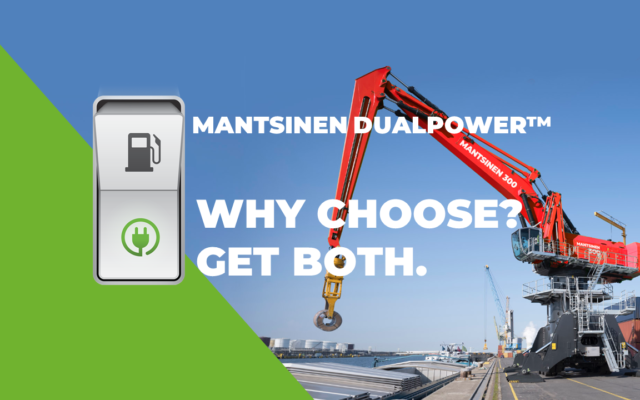
Modern energy recovery systems address this directly. Our Mantsinen Hybrilift® system, developed from 2006 onwards, captures the kinetic energy produced when the boom is lowered and feeds it back into the boom’s lifting movement, reducing energy consumption and costs by up to 50%. Similarly, our DualPower concept combines a diesel engine with an electric motor, giving operators the flexibility to use grid power when available and diesel when mobility is required — reducing both fuel costs and emissions without sacrificing productivity.
Beyond the technology itself, energy inefficiency is often a symptom of machines operating outside their optimal load range. Running an oversized machine on light loads, or an undersized machine at maximum stress, both result in poor energy efficiency. Matching machine capacity to actual handling volumes is a straightforward way to improve the energy economics of port logistics operations.
What role does operator skill play in handling efficiency?
Operator skill has a direct and measurable impact on material handling efficiency. Experienced operators complete more cycles per shift, cause less mechanical stress on equipment, and make fewer errors that result in spillage, rework, or safety incidents. The performance gap between a skilled and an inexperienced operator on the same machine can be significant in high-cycle bulk handling environments.
Key areas where operator skill influences port terminal operations include:
- Cycle time: Skilled operators optimise grab trajectories and minimise unnecessary movements, completing more lifts per hour
- Load accuracy: Precise placement reduces spillage and the need for secondary cleanup operations
- Equipment care: Experienced operators recognise early warning signs of mechanical issues and avoid operating patterns that accelerate wear
- Safety compliance: Consistent adherence to safe working practices reduces incident risk and associated downtime
Structured training programmes, simulator-based skill development, and mentored on-machine practice are all effective ways to raise operator capability across a team. Terminals that treat operator development as an ongoing investment rather than a one-time onboarding activity tend to sustain higher throughput levels over time.
How can ports measure and reduce material handling bottlenecks?
Ports can measure material handling bottlenecks by tracking key performance indicators such as tonnes handled per machine hour, berth occupancy rate, average cycle time, equipment availability, and energy consumption per tonne. These metrics, when monitored consistently, reveal where throughput is being lost and which interventions are most likely to recover it.
Identifying where losses occur
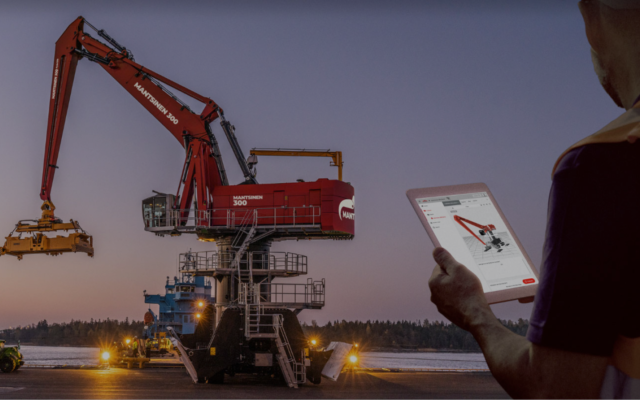
Effective measurement starts with data collection at the machine and yard level. The Mantsinen Insight telematics system logs cycle counts, idle time, load weights, and fuel consumption in real time — and can automatically notify the operator or owner when a service is due, ensuring maintenance is never overlooked. Comparing actual performance against design capacity shows where the gap is largest. If a machine is available but idle for extended periods, the bottleneck is likely in traffic flow or material supply. If availability itself is low, the focus should shift to maintenance practices. When issues do arise, Mantsinen Insight provides the factory technical customer service team with a direct connection to the machine, enabling remote troubleshooting that improves problem resolution time and reduces the burden on local service teams.
Taking targeted action to improve throughput
Once the data identifies the primary constraint, targeted interventions become possible. Common actions that reduce port material handling bottlenecks include:
- Introducing predictive maintenance schedules based on machine operating hours and condition data
- Redesigning yard traffic flows to separate machine corridors from truck access routes
- Revising stockpile layouts to reduce travel distances for material handlers
- Scheduling vessel calls and truck arrivals to smooth peak demand
- Investing in operator training to close the performance gap between team members
- Upgrading to energy-efficient machines that sustain higher cycle rates with lower operating costs
The most effective approach treats bottleneck reduction as a continuous process rather than a one-time project. Ports that review their performance data regularly, adjust their processes in response, and align their equipment fleet with actual operational demands consistently achieve higher material handling efficiency than those that rely on periodic audits alone. Mantsinen supports this continuous improvement approach end to end — from tailoring machine delivery concepts that minimise on-site disruption, to providing remote real-time support through Mantsinen Insight, ensuring that every machine in the fleet contributes its full potential to terminal throughput.